


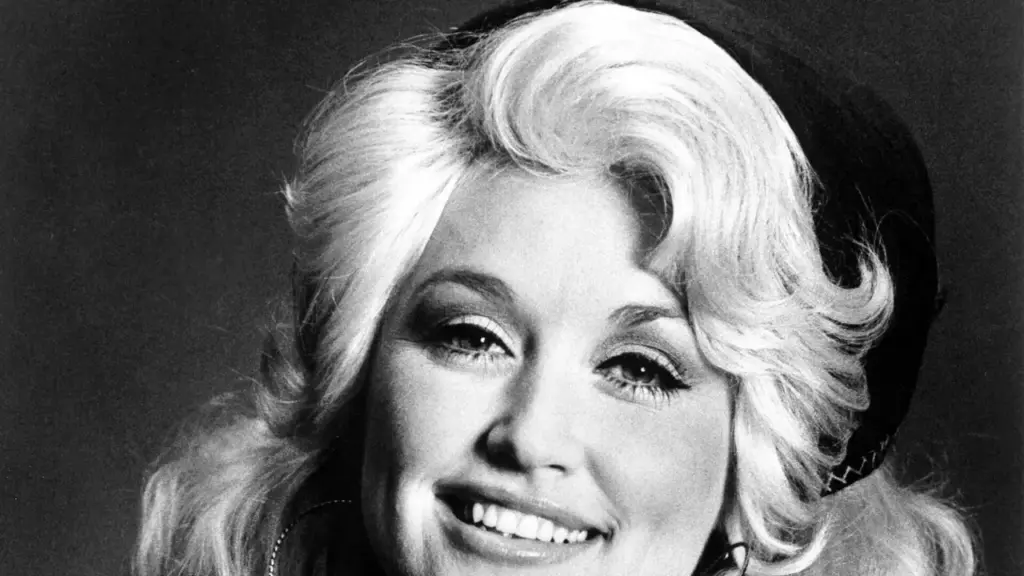
The music world has just lost one of its truly universal figures. Dolly Parton passed away on Tuesday, August 25, 2026, in Nashville, at the age of 80, after a brief battle with cancer, according to a statement from her publicist reported by the Associated Press. Her family confirmed the passing of the singer, songwriter, actress, entrepreneur, and philanthropist who transformed a poor childhood in the Tennessee mountains into one of the most powerful trajectories in global popular culture.
The news immediately transcends the boundaries of country music. Dolly Parton was not just the voice of Jolene, 9 to 5, or I Will Always Love You. She represented a rare idea: that of a celebrity capable of uniting multiple generations, urban and rural audiences, opposing political sensibilities, and industries as diverse as music, film, tourism, and children’s publishing. Her passing marks the end of an era, but it also reveals the magnitude of a legacy that music charts alone cannot measure.
An Announcement That Shakes Nashville and the World
According to the Associated Press, Dolly Parton died at the Vanderbilt-Ingram Cancer Center, surrounded by her loved ones. Her publicist, Marcel Pariseau, mentioned a brief battle with cancer. The family requested private funerals and invited admirers to share their tributes. In a final message posted on her official accounts, a phrase linked to her most famous song summarized the relationship she had with the public: love as a common language.
In Nashville and across East Tennessee, the emotion was immediate. But tributes were not limited to the birthplace of country music. Artists, actors, cultural leaders, and millions of listeners hailed a woman whose sparkling image concealed a formidable precision: she knew how to write an unforgettable melody, tell social wounds without heavy discourse, and transform her own persona into an economic force without losing her humor.
From Poverty to a Voice Heard Everywhere
Born in 1946 into a family of twelve children, Dolly Rebecca Parton grew up in a cabin in Tennessee. This setting would become the matrix of her work. She never erased her origins to enter the industry; she transformed them into narrative, songs, and visual identity. At a young age, she sang on the radio and then became known in Nashville, notably alongside Porter Wagoner. Her talent as a songwriter eventually imposed an independence that few women possessed at the time in American music.
This mastery is essential to understanding her success. Dolly Parton did not merely interpret songs written for her. She composed thousands and retained decisive control over her catalog. Jolene transforms jealousy into a heartbreaking plea. Coat of Many Colors turns poverty into a narrative of dignity. 9 to 5 condenses in a few minutes the fatigue and anger of wage labor. Her choruses were accessible, but their emotional construction was never by accident.
I Will Always Love You, a Song That Became World Heritage
The story of I Will Always Love You encapsulates the global reach of Dolly Parton. She wrote the song as a professional farewell to Porter Wagoner. Her own version became a country hit before Whitney Houston transformed it into a global phenomenon for the film The Bodyguard. Two voices, two eras, two interpretations, and the same text: few popular works have crossed genre, generational, and market boundaries with such force.
Parton’s choice to retain her publishing rights is often cited as a model of artistic and commercial intelligence. It reminds us that behind the blonde wigs, rhinestones, and self-deprecation was a leader attentive to the value of her work. She understood early on that a song was not just a moment on the radio but a cultural asset capable of living in cinema, on stage, in advertising, and in collective memory.
Film, Television, and the Power of a Persona
Dolly Parton also managed to become a film star without abandoning music. In 9 to 5, alongside Jane Fonda and Lily Tomlin, she embodies an employee facing the sexism of an authoritarian boss. The film and its title song gave a popular form to deep frustrations in the workplace. She would later appear in productions like The Best Little Whorehouse in Texas and Steel Magnolias, confirming a comedic talent based on timing, empathy, and a perfect awareness of her image.
Her appearance, sometimes caricatured, was in reality an armor and a signature. Dolly Parton controlled the joke before others could use it against her. She embraced excess and then disarmed her interlocutor with a lucid remark. This strategy allowed her to navigate decades of cultural changes without becoming a relic. She remained instantly recognizable while being constantly rediscovered by new audiences.
Philanthropy as a Second Work
Reducing her legacy to her records would, however, miss a major part of her influence. In 1995, she launched the Imagination Library, a program that sends free books to young children. Born in her home county, the initiative has expanded far beyond Tennessee and distributed hundreds of millions of books. The project is based on a simple intuition: giving early access to books can change a family’s trajectory.
Her philanthropic efforts also touched health and disaster relief. She notably supported medical research that contributed to the development of a Covid-19 vaccine. This generosity was not separate from her public identity. It extended the themes of her songs: dignity, solidarity, attachment to community, and the belief that success creates responsibility.
Dollywood, or How an Icon Transforms a Territory
With Dollywood, her park located in Pigeon Forge, Parton also built a cultural enterprise that became a regional tourist and economic engine. Here again, the logic was more ambitious than a simple merchandise product. She transformed her universe into a destination, created jobs near her birthplace, and made visible a region often trapped in stereotypes about the Appalachians.
This link between celebrity and local development distinguishes her journey. Many stars leave their home territory to build a global brand; Dolly Parton used her global brand to bring value back to that territory. Her empire did not erase the cabin of her childhood. It narrated the distance traveled while refusing to forget those who still lived there.
Why Dolly Parton Could Speak to Almost Everyone
In an increasingly polarized America, Dolly Parton maintained an unusual popularity. She avoided becoming a partisan symbol while advocating, through her actions, for education, access to healthcare, the dignity of workers, and respect for differences. This position was not an absence of values. It was based on deliberately inclusive communication, nourished by humor and an exceptional ability to avoid humiliating those she sought to convince.
Her influence extended to pop and rock, fashion, and queer culture. Artists far removed from country music recognized her sense of melody, independence, and visual freedom. She was both deeply rooted in a tradition and open enough for everyone to find an entry point. It is this combination, more than the sheer number of awards, that explains the international shockwave caused by her death.
A Signal the Industry Cannot Ignore
The passing of Dolly Parton serves as a reminder of the enduring value of artists who possess a comprehensive vision of their careers. At a time when platforms accelerate success cycles and artificial intelligence disrupts creation, her journey advocates for another timeframe: writing, retaining rights, building a direct relationship with the audience, diversifying without diluting identity, and investing in institutions capable of surviving fame.
Her songs will continue to be covered, reinterpreted, and discovered. Her films will retain their energy. The Imagination Library will continue its work with children. Dollywood will keep attracting families. Perhaps the most accurate definition of her legacy is this: Dolly Parton did not just produce memories. She built systems of transmission.
A Light That Does Not Dim with the Stage
The world mourns today a singer recognizable from the first note, but also a woman who transformed her vulnerability into a collective language. Coming from a rural territory long looked down upon, she imposed her songs at the center of global culture without renouncing her accent, beliefs, extravagance, or business acumen.
Dolly Parton made love an artistic promise, humor a defense, and generosity an infrastructure. At 80, her death closes an exceptional career. It does not close the story. Every time Jolene resonates, a child opens a book received for free, or a new artist defends the ownership of her songs, a part of that light will continue to circulate.
Sources
- Associated Press â Dolly Parton, music star, actor and beloved figure, dies at 80, August 25, 2026.
- ABC News â the final message shared by Dolly Parton’s family, August 25, 2026.
- ITV News â statement from the publicist and philanthropic legacy, August 26, 2026.
- Reuters â confirmation of the passing by the family, August 25, 2026.