


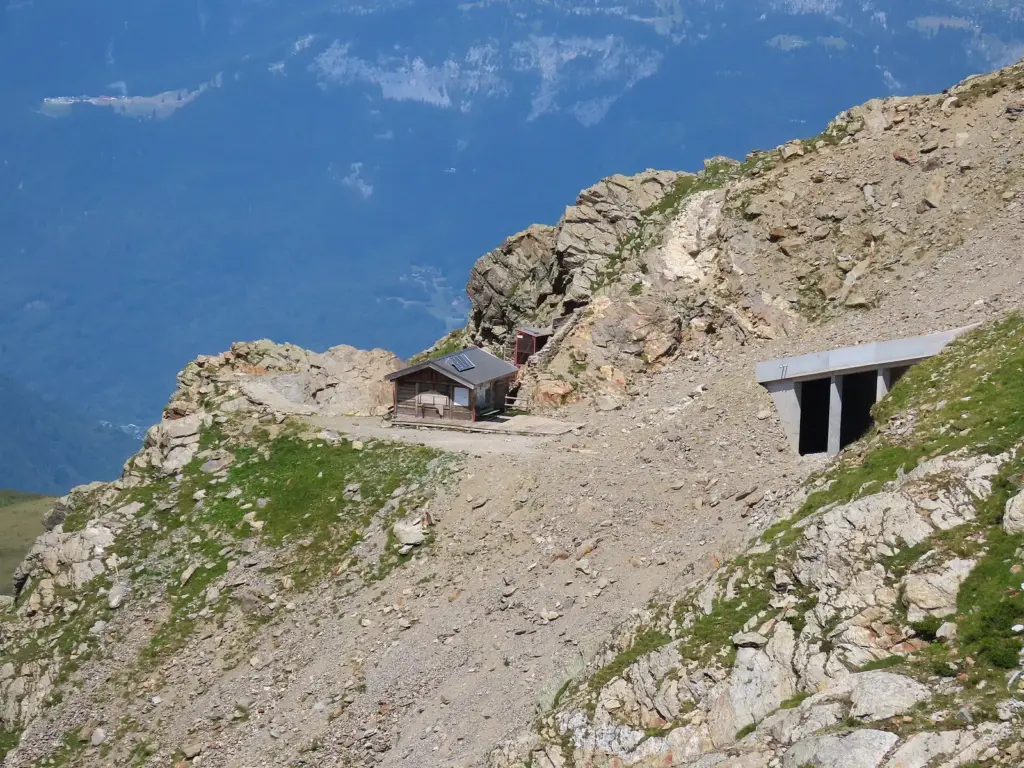
The Eagle’s Nest, a complex constructed by the Nazi regime atop a mountain in the Bavarian Alps, is now at the center of a passionate debate about historical memory and managing remnants of the past. This site, once a symbol of the regime of Adolf Hitler’s conquest over nature, is described as a “Nazi vanity project” by Sir Richard Evans, professor of modern history at the University of Cambridge.
According to Sir Richard Evans, speaking to France 24, it is crucial to distinguish between preserving material evidence of history and maintaining symbols that served to glorify a criminal regime. The Eagle’s Nest, as an architectural achievement, embodied the Nazi regime’s desire to dominate nature and leave a monumental mark of its power.
Faced with this heavy symbolism, the historian concludes unequivocally that the mountain should be “restored to its natural state.” This stance aims to prevent the site from continuing to serve as a place of fascination or glorification of an extremist and criminal ideology.
The debate surrounding the Eagle’s Nest highlights the challenges contemporary societies face in managing the material legacies of dark periods in their history. Should these sites be preserved as historical testimonies, at the risk of becoming sanctuaries for nostalgics, or should they be erased to avoid any form of ideological appropriation?
The controversy also raises questions about how architecture can act as a vehicle for political memory, and about the responsibilities of institutions and citizens in transmitting a critical and thoughtful history.
In summary, the Eagle’s Nest, far from being a mere relic, is a charged symbol that challenges collective memory and how it should be preserved or transformed. Sir Richard Evans’s call for a natural restoration of the mountain invites a reconsideration of the place granted to such sites in the contemporary landscape.