


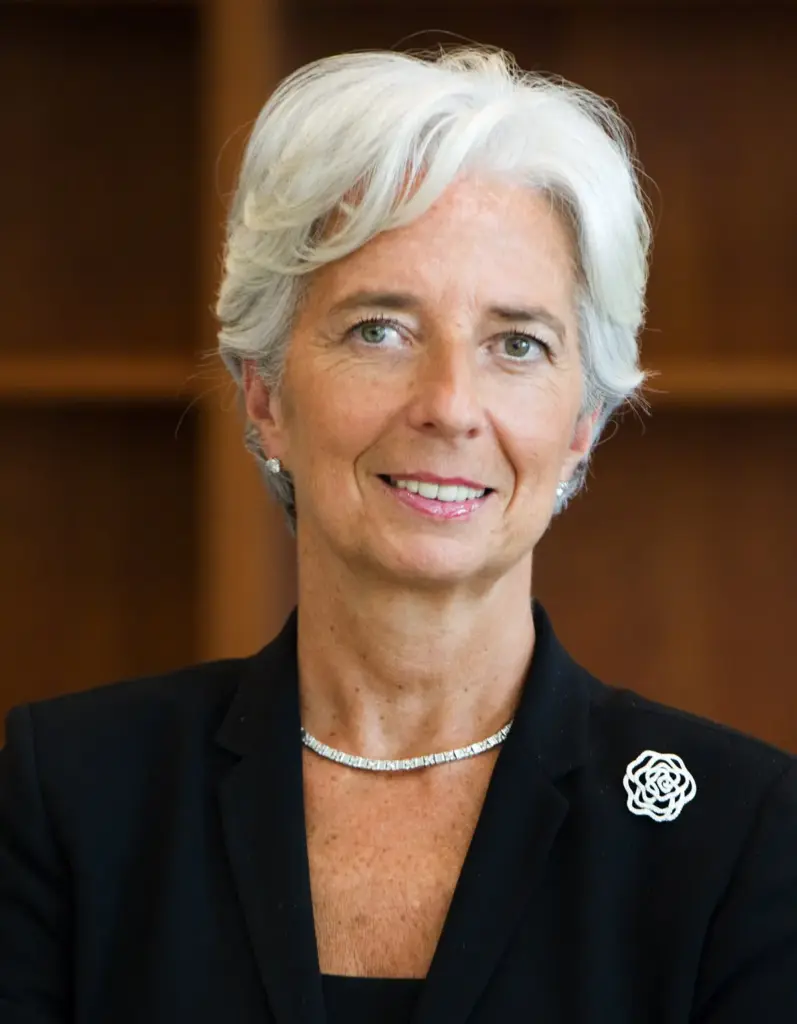
Christine Lagarde, President of the European Central Bank (ECB), discussed in an interview with the Japanese newspaper Yomiuri Shimbun on November 4, 2026, the challenges faced by women in positions of power as well as the current inflation situation in the eurozone.
On the issue of women in power, Ms. Lagarde recalled her personal experience as the first woman to lead the ECB. She emphasized that within the Governing Council, composed of 27 members, only two women currently serve: herself and Isabel Schnabel, who will leave her position in January. “It is always a challenge to be a minority,” she said, explaining that appointments are often made by predominantly male governments who tend to select men, partly because the pool of talented women is a relatively recent phenomenon.
She also mentioned efforts by Japanese Prime Minister Abe, who launched the “One Million Women” program aimed at integrating one million additional women into the workforce, notably through policies facilitating access to childcare. These measures have helped improve women’s access to leadership positions in Japan.
Regarding monetary policy and inflation, Christine Lagarde indicated that overall inflation in the eurozone stood at 4% in October, a level higher than expected a few months ago but in line with market expectations. This increase is mainly due to energy prices, which rose by 20.8% because of the Middle East conflict and reduced global refining capacity. Food inflation also increased.
In contrast, core inflation indicators, which exclude energy, food, alcohol, and tobacco, remain stable at 2.5%, while service inflation has slightly increased. This distinction is important to understand the real dynamics of inflation excluding volatile effects.
This interview highlights the ongoing challenges of female representation in European institutions and the current economic difficulties linked to rising energy and food prices amid a tense geopolitical context.