


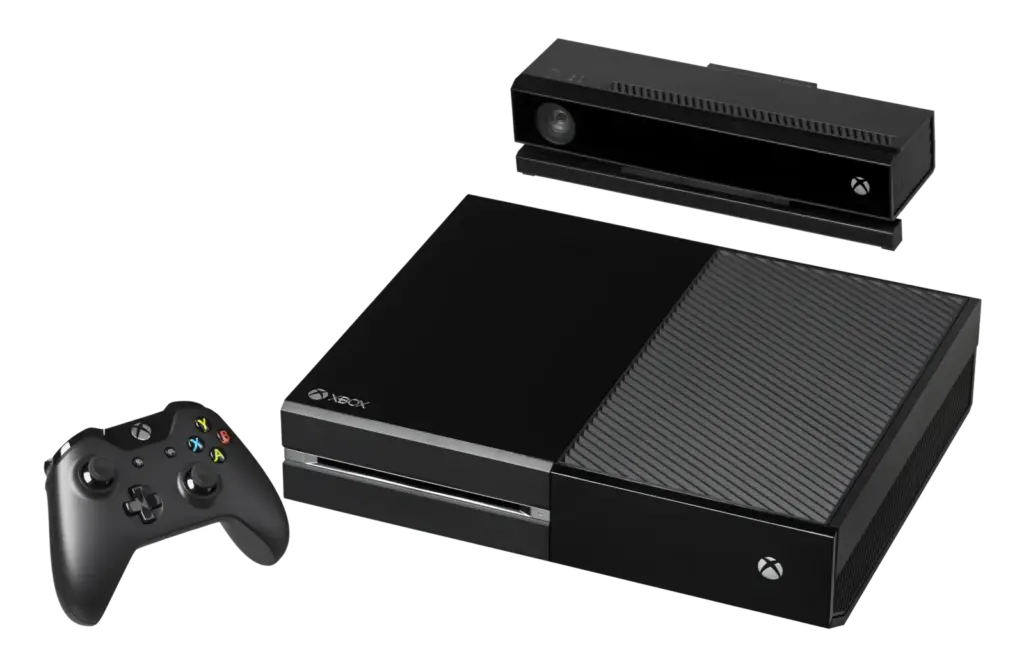
Twenty-five years ago, Microsoft entered the living room with a massive black console, a controller deemed too bulky, and an ambition that many considered excessive. On November 15, 2026, Xbox is not just celebrating an anniversary: the brand is trying to convince the world that it can still define the next era of video gaming. With the confirmation of Wolfenstein 3, a new free mode for Halo: Campaign Evolved, the arrival of classic Xbox titles on PC, and a limited edition of the Series X, the message is clear. Microsoft wants to transform its legacy into a driving force for the future.
The original Xbox was released in North America on November 15, 2001. Its gamble was already based on a disruptive idea: a console close to the computing universe, equipped with a hard drive and designed for online gaming. Twenty-five years later, the battle is no longer limited to the machine placed under the television. It is played on PC, in the cloud, through subscriptions, on mobile screens, via digital distribution, and in the ability to keep communities active for years.
A Flood of Announcements for Xbox’s 25th Anniversary
During the celebrations held around the Seattle FanFest, Xbox made numerous announcements aimed at multiple generations of gamers. The most spectacular was the confirmation that MachineGames is working on Wolfenstein 3. The franchise, known for its fast-paced action games and dystopian universe, had yet to provide a direct conclusion to the story initiated with The New Order and The New Colossus.
Microsoft also announced a Firefight mode for Halo: Campaign Evolved, offered at no additional cost. The symbolism is powerful: Halo accompanied the launch of the very first Xbox in 2001 and remains one of the brand’s strongest identities. The company is not merely showcasing its past in a display case. It is reintroducing it in the form of playable content, updates, and shared experiences.
The celebration also includes twenty-five classic Xbox games for PC, as well as commemorative content across several universes, including Forza Horizon 6, Minecraft, Gears of War: E-Day, and Microsoft Flight Simulator 2024. A limited edition Xbox Series X25, inspired by the translucent green design associated with the brand’s beginnings, finally transforms nostalgia into a premium object.
The Real Signal: Xbox No Longer Wants to Be Just a Console
Behind the birthday gifts lies a deeper transformation. Xbox now presents itself as an ecosystem. The console remains important, but it is no longer the sole entry point. Games circulate between Xbox, Windows, the cloud, and, in some cases, platforms once considered competitors. This openness changes the very definition of a brand historically built in the console wars.
The decision to bring old games back to PC summarizes this strategy. For Microsoft, a catalog is no longer just a heritage library. It is an asset capable of recruiting new players, fueling subscriptions, and extending the commercial lifespan of well-known franchises. By making its legacy more accessible, Xbox attempts to build a bridge between those who discovered Halo in 2001 and a generation accustomed to playing across multiple devices.
One Billion Players, but Immense Pressure
In her message for the twenty-fifth anniversary, Xbox leader Asha Sharma states that the brand’s games and communities reach over one billion players each year. This figure reflects the network built by Microsoft through Xbox, Windows, Minecraft, Activision Blizzard, Bethesda, and its numerous studios. It also reminds us that the success of a modern platform is no longer measured solely by the number of consoles sold.
This power, however, does not eliminate vulnerabilities. The development of major games is becoming longer, more expensive, and riskier. Delays can disrupt an entire schedule, while players expect ambitious experiences but increasingly reject unfinished launches. Microsoft must also prove that its massive acquisitions can produce a steady stream of strong creations, and not just enrich a list of intellectual properties.
The restructurings and job cuts that have affected the sector remind us of the other side of this consolidation. The video game industry generates considerable revenue, but it is going through a period of significant social and financial tension. For Xbox, celebrating twenty-five years means defending a record while addressing an urgent question: how to finance increasingly ambitious games without undermining those who create them?
From Halo to Game Pass: Four Breakthroughs That Changed the Market
The history of Xbox can be read through several breakthroughs. The first console popularized the integrated hard drive and prepared the rise of connected gaming. Xbox Live then imposed a unified online experience, with profiles, friends lists, and matchmaking. The Xbox 360 reinforced the place of digital downloads and achievements, which became a common language for gamers. Finally, Game Pass pushed the industry towards a subscription model granting access to a vast catalog.
These transformations have not all been met without resistance. The subscription raises questions about the value of games, the compensation of studios, and dependence on platforms. The cloud promises increased accessibility but still depends on network quality and does not replace a local machine everywhere. The openness to other platforms can broaden the audience while weakening the idea of exclusivity that once justified the purchase of an Xbox.
Why This Shift Also Matters for France and Europe
The transformation of Xbox directly impacts the French and European markets. The PC retains an important place, subscription offers are growing, and the question of console pricing weighs more heavily in a context of constrained purchasing power. A strategy that allows players to keep their games across multiple devices may appeal to households that no longer wish to upgrade a machine with each generation.
Europe is also home to many studios, subcontractors, artists, and developers linked to major global publishers. Microsoft’s decisions regarding budgets, artificial intelligence, distribution, and access to catalogs therefore produce effects far beyond the United States. They influence creative employment, the visibility of local productions, and the conditions under which a European game can reach a global audience.
Nostalgia Alone Will Not Win the Coming Years
Microsoft knows that the green logo, the startup sound of the first Xbox, and memories of playing Halo or Forza hold immense emotional value. The anniversary collection cleverly exploits this memory. However, the decisive battle will be fought over the quality of upcoming games, the stability of teams, and the clarity of the promise made to players.
The confirmation of Wolfenstein 3 draws attention because it associates a respected franchise with a long-awaited narrative. The return of classics on PC responds to a demand for preservation and accessibility. The free mode of Halo shows that an anniversary can also serve existing communities. Each of these decisions may seem modest in isolation; together, they outline a strategy based on the circulation of the catalog rather than a single box.
At 25 years old, Xbox faces its most fascinating challenge: to remain an identifiable brand while ceasing to depend on a single device. If Microsoft succeeds, the next generation may no longer be defined by the console one owns, but by the library, friends, and universes one can carry everywhere. It is this shift, more than the collector’s editions, that the world of video gaming is watching today.
Sources
- Xbox Wire, official recap of the 25th anniversary announcements, November 12, 2026.
- Xbox Wire, official 25th anniversary collection, details on the Series X25 and its launch.
- PC Gamer, analysis of Asha Sharma’s message on the future of Xbox, November 13, 2026.
- GamesRadar+, confirmation of Wolfenstein 3 by Xbox management, November 14, 2026.