Accra Challenges Fast Fashion : The Week That Could Change African Fashion
Over 50 runway shows, 70 international models, and a clear ambition: in Accra, the Glitz Africa Fashion Week aims to transform sustainability into an economic engine for African fashion.
Accra no longer wants to merely follow trends: the Ghanaian capital aims to influence the future of global fashion. From November 10 to 13, the Glitz Africa Fashion Week 2026 gathers designers, artisans, manufacturers, entrepreneurs, and investors under a theme that sounds like a challenge: “Sustainable by Design — Shaping Africa’s Fashion Future.” Behind the runways, the stakes are immense: to prove that African aesthetics can become a stronger, more sustainable industry that is better connected to international markets.
The organizers announce over 50 runway shows, more than 70 international models, and over 1,000 participants each day of the shows. The program goes beyond spectacular silhouettes. It combines beauty, training, entrepreneurship, manufacturing, commerce, and networking with buyers. November 11 is dedicated to young talents, leading up to the grand shows on November 12 and 13 at The Underbridge in Accra.
Why Accra is Becoming a Strategic Hub
African fashion has been enjoying increasing visibility on red carpets, in music videos, series, and international boutiques for several years. However, visibility does not guarantee solid production or sustainable income. Many young brands continue to face the high costs of materials, weak supply chains, lack of funding, and the challenge of producing in quantity without losing their identity.
The Glitz Africa Fashion Week aims precisely to connect spectacle with the real economy. Its program brings together fashion brands, textile producers, beauty companies, creative SMEs, and technological solutions. The “Trade Tent” is set to provide a commercial space, while the Business of Fashion seminar will address the questions that runways sometimes obscure: how to finance a collection, reach an international buyer, protect a creation, and build a business that survives the trend cycle?
This approach places Accra in a broader cultural competition. Lagos, Dakar, Johannesburg, Nairobi, and Cape Town are also asserting their roles in contemporary fashion. Ghana‘s strength lies in its textile heritage, its network of creators, and its diaspora, capable of connecting local craftsmanship, contemporary design, and global markets.
Sustainability Against the Paradox of Fast Fashion
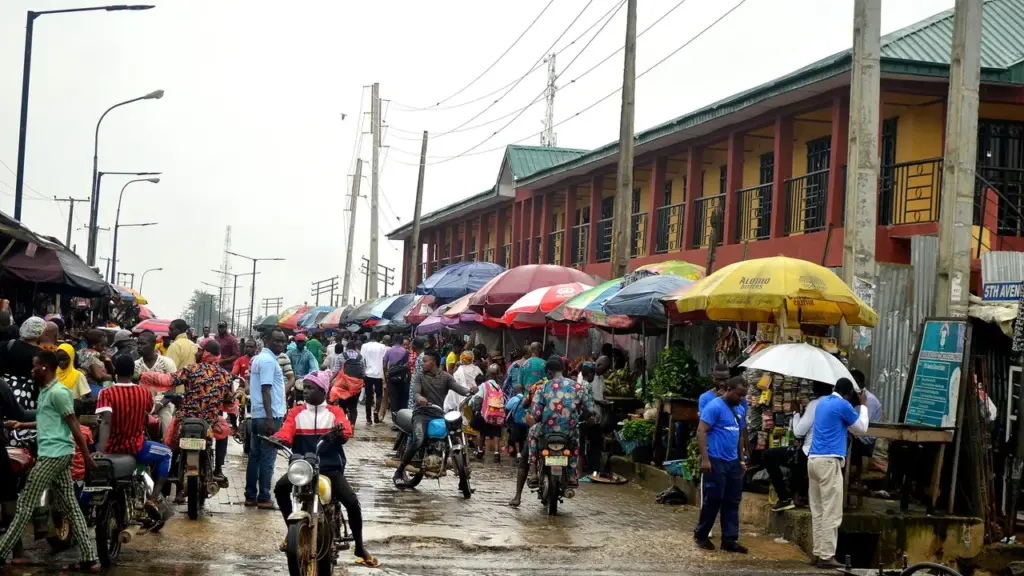
The chosen theme is not merely decorative. Ghana finds itself at the heart of a global clothing crisis. The Kantamanto market in Accra receives millions of second-hand pieces each week from wealthy countries. A significant portion of these garments is too damaged to be resold and becomes a local environmental issue. The Associated Press has documented how Ghanaian creators are transforming this waste into new pieces, while TIME has highlighted the scale of imports and the economic risks faced by traders.
The Fashion Week thus arrives with a contradiction to resolve. The industry needs growth, sales, and production, but it cannot simply replicate the ultra-fast fashion model that fuels the mountain of waste. Designing sustainably means considering materials, lifespan, repairability, traceability, and manufacturing conditions from the very first sketch.
For African brands, this constraint can become an advantage. Many workshops already operate on a small scale, using artisanal techniques and valuing local materials. This know-how can appeal to consumers seeking distinctive and better-produced pieces. However, it must be supported by clear standards, funding, and transparent communication so that the term “sustainable” does not become just a marketing promise.
Young Designers at the Center of Attention
The Young Designers Green Fashion Talent Showcase on November 11 is one of the most significant moments of the edition. Candidates are evaluated on creativity, innovation, craftsmanship, sustainability, commercial potential, and cultural relevance. Selected participants gain exposure to media, investors, and buyers, as well as access to mentorship.
This initiative addresses a central issue: talent exists, but pathways often lack between school, workshop, and market. A successful presentation can open doors, but it cannot replace long-term support. Young houses need orders, production capabilities, balanced contracts, and legal advice as much as applause.
The announced presence of recognized names such as Christie Brown, ATAFO, Ejiro Amos Tafiri, Wanni Fuga, or Pepper Row adds an extra attraction to the event. It also allows for showcasing various visions of West African fashion, far from a singular aesthetic imposed on the continent.
Beauty, Textiles, and Influence: A Unified Ecosystem
The week began with a Beauty Forum dedicated to the growth of African brands without compromising their future. This choice reflects a commercial reality: fashion, beauty, hair, photography, influence, and entertainment now operate as a single ecosystem. An outfit seen on a model can circulate within minutes on TikTok or Instagram, stimulate a Google search, and transform a small brand into an international phenomenon.
This speed creates opportunities but also pressure. Creators must produce content, deliver quickly, and protect their identity against copying. Digital platforms can accelerate sales, while their algorithmic logic sometimes favors fleeting trends. Success will therefore not be measured solely by the number of views garnered during the shows but by the contracts and jobs generated after the event.
The Signal That the Global Industry Can No Longer Ignore
African fashion is neither a seasonal trend nor a free inspiration reservoir for major houses. It carries brands, jobs, techniques, and intellectual property that must create value on the continent. By bringing together creation and industry, Accra advocates a simple idea: the future is not just about parading African garments in Paris, London, or New York, but about building businesses capable of deciding, producing, and exporting from Africa.
The true victory of the Glitz Africa Fashion Week will be played out after the spotlight fades. If young talents find partners, if manufacturers secure orders, and if sustainability becomes a method rather than a slogan, Accra will have sent a powerful signal. In a global industry seeking meaning and new markets, the next stylistic revolution could come from an African runway—provided that value remains in the hands of those who create it.
Sources
- Glitz Africa Fashion Week, official program 2026, accessed November 11, 2026.
- eGotickets, presentation of Glitz Africa Fashion Week 2026, October 27, 2026.
- Associated Press, Ghanaian designers facing fast fashion waste, 2024.
- TIME, the race to recycle textile waste in Ghana, August 6, 2025.