


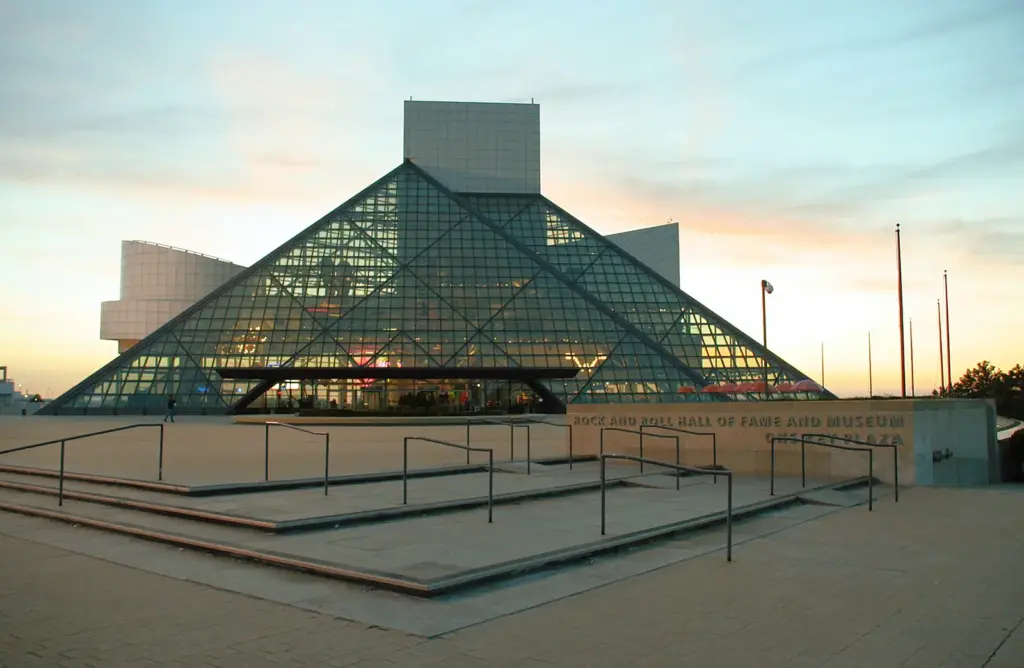
One stage for Oasis, Wu-Tang Clan, Sade, Iron Maiden, Celia Cruz and Fela Kuti: the 2026 Rock & Roll Hall of Fame is preparing one of the most powerful snapshots of global music. The induction ceremony, scheduled for Saturday, November 14 at the Peacock Theater in Los Angeles, will do more than honor careers. It will declare that rock history was written in Manchester, New York and London, but also in Havana and Lagos.
A class that breaks every boundary
The performer category welcomes Phil Collins, Billy Idol, Iron Maiden, Joy Division/New Order, Oasis, Sade, Luther Vandross and Wu-Tang Clan. Those names span sophisticated pop, punk, metal, post-punk, Britpop, soul, R&B and hip-hop. The message is unmistakable: rock is no longer defined by one instrument or one tradition, but by the power to transform culture.
By placing artists from supposedly separate streaming categories side by side, the institution recognizes what listeners already know. Major musical revolutions speak to one another even when they do not share the same rhythm, language or birthplace.
Celia Cruz and Fela Kuti send a global signal
The Early Influence inductions of Celia Cruz and Fela Kuti give this edition particular depth. According to the Associated Press, Cruz becomes the first Rock Hall inductee whose repertoire was sung primarily in Spanish. The Queen of Salsa carried Afro-Cuban energy around the world, turning her voice, stagecraft and famous “Azúcar!” into generational symbols.
Fela Kuti represents another earthquake. From Lagos, the Nigerian musician fused Yoruba rhythms, highlife, jazz and funk into Afrobeat while using songs as instruments of political confrontation. His influence now runs through African pop, hip-hop, modern jazz and global festival stages. Honoring him alongside Cruz puts Africa and its diaspora at the center of the story.
Queen Latifah, MC Lyte and Gram Parsons will also receive the Early Influence Award. Their selection links women who pioneered rap to the country-rock tradition, demonstrating the exchanges and ruptures that built modern popular music.
Oasis and Wu-Tang Clan built cultural empires
Oasis and Wu-Tang Clan represent radically different visions of a group, yet they share a rare achievement: both created worlds larger than their songs. In Manchester, the Gallagher brothers and their bandmates gave Britpop stadium ambition. In Staten Island, Wu-Tang built a mythology, an aesthetic and an entrepreneurial model that changed how a rap collective could conquer the industry.
Their simultaneous induction is symbolic. One offered mass British anthems; the other created a hip-hop laboratory where each member could develop a solo identity without weakening the clan. Both transformed a local territory into a global cultural brand.
Sade, Iron Maiden and a powerful British wave
The large British presence is another defining thread. Sade protected an elegant, unmistakable form of soul from passing trends. Iron Maiden built one of metal’s most loyal global audiences through iconography, touring stamina and an enduring catalog. Phil Collins enters for his solo career after already receiving the honor with Genesis.
Joy Division/New Order connects post-punk darkness with electronic club rhythms. Billy Idol bridges British punk and American stardom, while Luther Vandross embodies R&B vocal excellence. Together, these careers prove that longevity has no single formula; it comes from building an identity that time cannot erase.
A ceremony surrounded by suspense
The ceremony will be taped in Los Angeles on November 14 before an announced December debut on ABC and Disney+. Questions about appearances, tributes and performances are driving anticipation. The Associated Press reports that Phil Collins is not expected to sing, while tributes will have to bring the work of absent or late artists to life.
That uncertainty can fuel the spectacle. Who will reinterpret Sade or Luther Vandross? How will the legacies of Cruz and Kuti be staged? Will Wu-Tang appear in an exceptional configuration? Each answer could create a viral moment, an unexpected reunion or an image shared for days.
Why this night can change the Rock Hall
The institution has long faced one question: how far can the word “rock” stretch? The 2026 class provides an ambitious answer. Rock is not only a sound. It is a way to overturn rules, build a community and leave a permanent cultural mark. Under that definition, the salsa of Cruz, the Afrobeat of Kuti and the hip-hop of Wu-Tang belong beside Iron Maiden’s metal.
The opening is strategic too. Young listeners move effortlessly across genres, eras and continents. An institution seeking relevance must reflect those habits. By celebrating African, Caribbean, Latin American, British and New York legacies in one room, the Rock Hall moves closer to the global reality of streaming and fandom.
Los Angeles will not simply welcome another class of legends. It will host a conversation between several histories of music. If the ceremony makes that dialogue visible, the 2026 Rock Hall may be remembered as the night an old institution finally accepted that the center of popular music is everywhere.