Arbitration Days Raise Youth Awareness Against Incivility in France
Throughout October, France's Arbitration Days emphasize the educational role of referees in fighting incivility, with international referee Nicolas Maestre among the ambassadors.
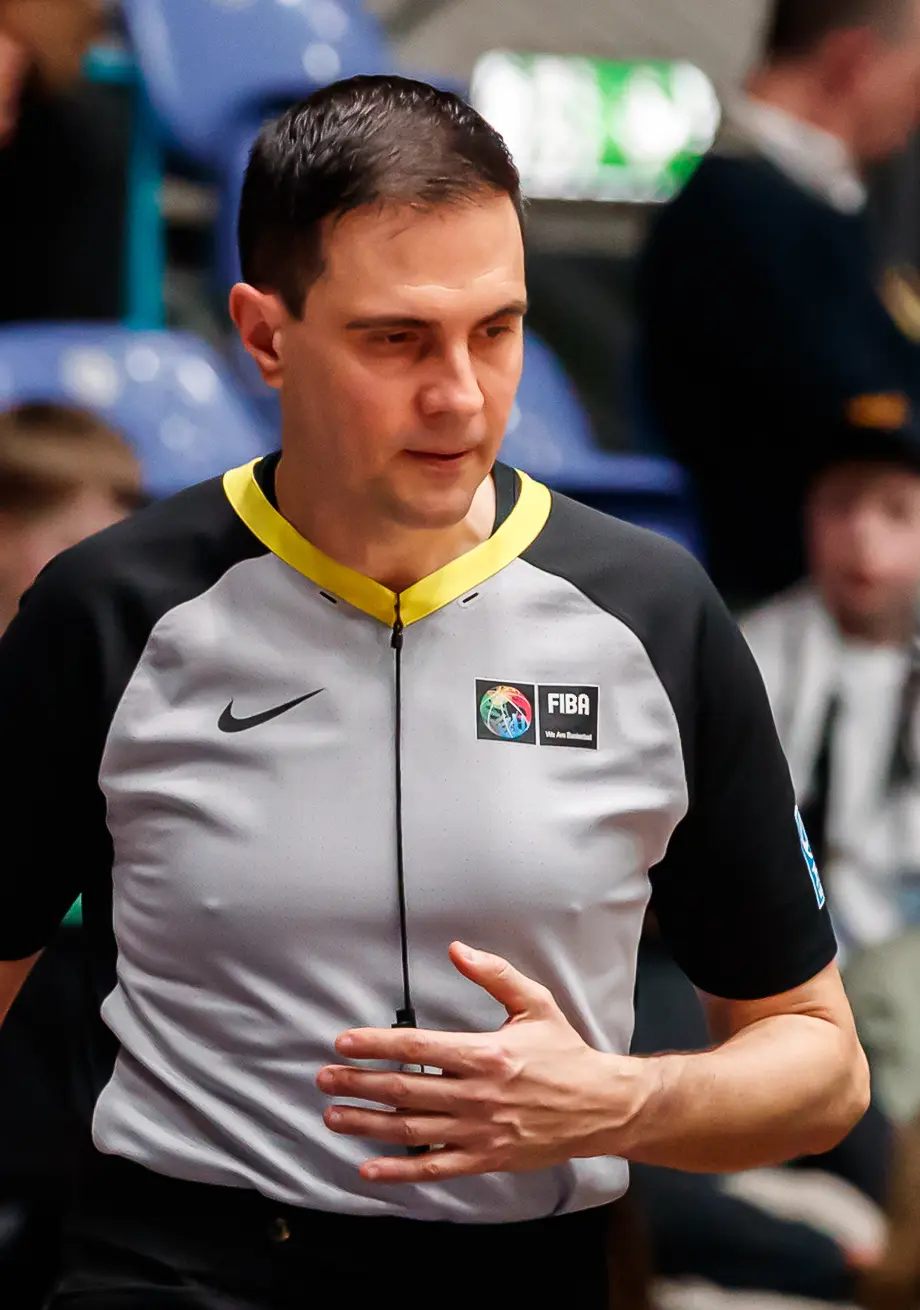
In October, France highlights the essential role of refereeing through the Refereeing Days, a national initiative aimed at raising public awareness, especially among young people, about issues related to incivility in sports and society. Under the theme “What if we made refereeing a lever for education to fight against incivilities?”, this operation seeks to promote the role of the referee as a vector of learning and respect for rules.
A national campaign to promote refereeing
The Refereeing Days are part of an educational and civic approach, highlighting the importance of the referee’s role in sports. Beyond the simple application of rules, refereeing is presented as a pedagogical tool capable of promoting respect, discipline, and conflict management. This operation, organized throughout the month of October, particularly targets young people, who are often the most exposed to uncivil behaviors in sports and social contexts.
By raising awareness among younger generations, the organizers hope to encourage collective consciousness about the consequences of incivilities, whether verbal, physical, or symbolic. The referee, as the guarantor of fair play, thus becomes a key actor in preventing these behaviors by setting an example and intervening in a fair and impartial manner.
Nicolas Maestre, committed ambassador
Among the emblematic figures of this edition is Nicolas Maestre, French international basketball referee. His presence as an ambassador helps to highlight the challenges and responsibilities related to the role of referee, especially in a sport as popular as basketball.
Nicolas Maestre shares his professional experience, emphasizing the demands of the job, such as managing tensions on the court, making quick and fair decisions, as well as the necessity of balancing authority and respect for players. His testimony helps to humanize the role of the referee, who is often confronted with criticism or hostile behavior.
During this campaign, he also mentions his meeting with Victor Wembanyama, the rising star of French and international basketball. This interaction symbolizes the link between sports actors, from players to referees, and illustrates the importance of collaboration based on mutual respect to ensure the quality and fairness of competitions.
The role of refereeing in the fight against incivilities
Refereeing plays a crucial role in regulating behavior within sports, a microcosm of society. By intervening to enforce rules and sanction inappropriate behaviors, the referee helps establish an atmosphere of trust and respect, essential elements for the smooth running of competitions.
By extension, this educational function of refereeing can apply beyond the fields, positively influencing attitudes in daily life. The Refereeing Days campaign thus highlights the idea that respect for rules and peaceful conflict management are fundamental values to be transmitted to young people, in order to reduce incivilities in all areas.
This initiative is part of a broader context where incivilities, whether in stadiums, schools, or public spaces, represent a major challenge for social cohesion. By promoting refereeing as an educational lever, France intends to foster a culture of respect and shared responsibility.
Conclusion
The Refereeing Days in France constitute an important operation to raise young people’s awareness of the issues of respect and civility, by promoting the often overlooked role of referees. Through the testimony of ambassadors like Nicolas Maestre, this campaign highlights refereeing as an educational tool capable of effectively combating incivilities in sports and beyond. By making refereeing an educational lever, France affirms its desire to promote values of respect and fair play essential to collective life.