3 Trillion Vanished : The AI Signal Markets Can No Longer Ignore
The Nasdaq has experienced its largest drop in nineteen months, Nvidia has lost 9.3%, and $3 trillion in market capitalization has vanished from the S&P 500. Behind the partial rebound, markets are now questioning the real cost of the global race for artificial intelligence.
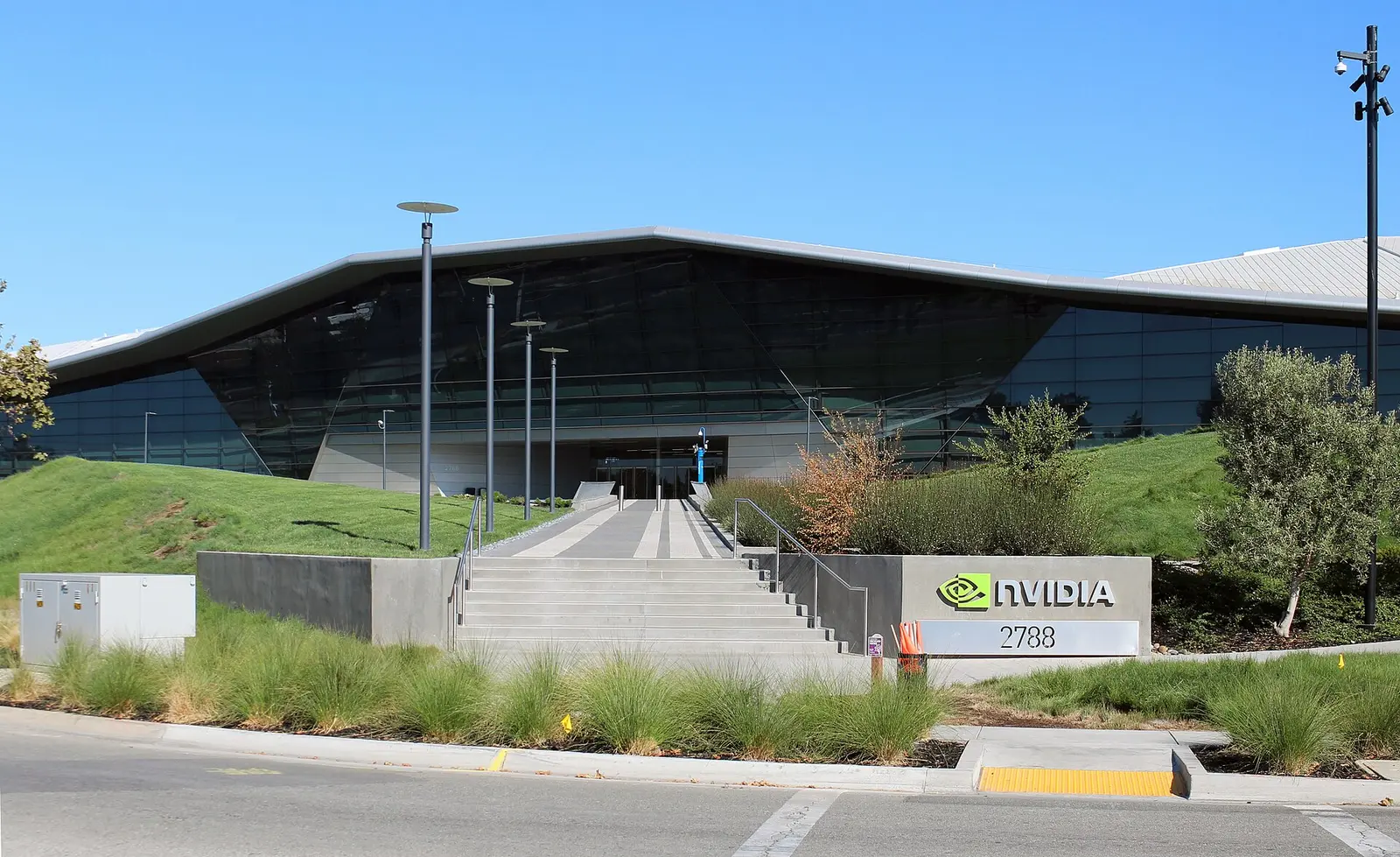
The major stock market bet on artificial intelligence has just received its most violent warning in nineteen months. On Thursday, November 5, the Nasdaq fell by 5.5%, the S&P 500 by 4.4%, and Nvidia by 9.3%. In one session, approximately $3 trillion in value disappeared from the companies that make up the S&P 500, according to Reuters. The shock crossed borders, dragging chip manufacturers and global financial markets into a massive sell-off.
A partial rebound in AI stocks on Friday halted the bleeding without erasing the central question. Investors are no longer just wondering how far AI can transform the economy. They want to know how much this transformation will cost, when the colossal spending on data centers will yield sustainable profits, and how far governments will allow the accelerated expansion of digital infrastructure.
A Drop That Goes Beyond Nvidia
Nvidia remains the symbol of the tremor, but it is not alone. The Philadelphia Semiconductor Index plunged by 12.2%, its largest daily drop since April 2025. AMD saw significant declines, Qualcomm lost 9.5% after smartphone chip sales fell short of expectations, and the entire “Magnificent Seven” ended in the red.
Thus, the Nasdaq has entered correction territory, meaning it is more than 10% below its last peak. This threshold does not automatically predict a lasting crash, but it marks a psychological shift. For months, the promise of AI was often enough to justify increasingly heavy investments. Now, the market demands proof regarding revenues, margins, and the timeline for profitability.
Why the Democratic Victory Accelerated the Sell-Off
The rout came after the Democrats’ victory in the U.S. midterm elections. According to Reuters, investors anticipate stricter controls on the development of data centers, particularly in states where their consumption of electricity, water, and land is provoking growing opposition. The new balance of power in Congress could lengthen procedures and slow down certain projects.
This outlook directly impacts the heart of the stock narrative. Cloud giants and chip manufacturers have invested historic sums to build the computing capabilities necessary for AI models. If approvals become more difficult, if financing becomes more expensive, or if communities impose new constraints, growth projections must be revised.
Doubt Surrounds the Cost of the Revolution
The market does not deny the utility of artificial intelligence. Companies are adopting assistants, automating tasks, and investing in agents capable of executing entire processes. The doubt lies rather in the gap between the scale of spending and the speed at which customers will pay for these new services.
Data centers require advanced chips, networks, cooling systems, and above all, a considerable amount of energy. This chain benefits many sectors, but it also creates dependency: if one link slows down, expected revenues can be delayed while financial costs continue to accrue. The current correction serves as a reminder that even revolutionary technology can be an investment bought too expensively.
A Global Shock, from Seoul to Paris
The wave of selling did not remain confined to Wall Street. Asian markets, heavily exposed to memory and semiconductors, also faced significant pressure. South Korea, Taiwan, and Japan are at the center of technological supply chains. A sustained decline in American orders or a slowdown in data center constructions would impact their exporters.
In Europe, the impact is different but real. Major indices have fewer digital giants comparable to Nvidia or Microsoft, but they include equipment manufacturers, electric groups, network operators, and industries linked to the chip chain. French savers are also indirectly exposed to American technology through ETFs, life insurance, and international funds.
France is therefore observing this correction from two angles. It may weaken portfolios in the short term, but it also highlights the strategic issue of having European capabilities in semiconductors, cloud, and energy. Relying almost entirely on foreign players means enduring their investment cycles, valuations, and political decisions made in Washington.
The Rebound Does Not Close the Debate
On Friday, Nvidia and several tech stocks rebounded, allowing the Nasdaq to gain 1.1%. This movement shows that many investors still view the decline as a buying opportunity. However, it does not mean that the alert was temporary. The Dow Jones fell by 0.5%, and more S&P 500 stocks declined than increased.
Upcoming earnings reports, spending announcements from cloud giants, and decisions from the new Congress will be crucial. The market will also monitor electricity costs, interest rates, and companies’ ability to convert their AI tools into subscriptions, measurable savings, or new products.
The Signal That Leaders Can No Longer Ignore
For companies, the lesson is not to abandon AI but to move away from a blind race. A project must solve a specific problem, have a realistic energy and computing budget, and produce measurable returns. Spectacular announcements will no longer suffice if margins do not follow.
For investors, this week demonstrated how quickly a global conviction can become a cumbersome position. Nvidia remains a central player in the digital economy, but no company escapes the expectations embedded in its stock price. The greater the promise, the harsher the penalty can be when the timeline shifts.
The $3 trillion that vanished does not prove that the AI bubble has definitively burst. It proves something more useful: the market has just withdrawn its blank check. The next phase of artificial intelligence will no longer be judged solely on its demonstrations. It will be assessed based on its profits, energy consumption, regulation, and ability to fulfill its promises in the real economy.
Sources
- Reuters, “Nasdaq posts biggest daily drop in 19 months on fears of AI regulations”, November 5, 2026.
- Associated Press, “A brutal sell-off for AI stocks sends Wall Street reeling”, November 5, 2026.
- Associated Press, “AI stocks halt their brutal, worldwide sell-off”, November 6, 2026.
- Le Monde, “On Wall Street, Democrats’ midterm victory bursts the AI bubble”, November 6, 2026.