Nvidia Wavers : The Decision on Jensen Huang That Shakes the Global AI Landscape
The Nvidia board convened to discuss the future of Jensen Huang as an independent investigation examines a potential foreign influence operation. The crisis shakes markets and the global AI industry.
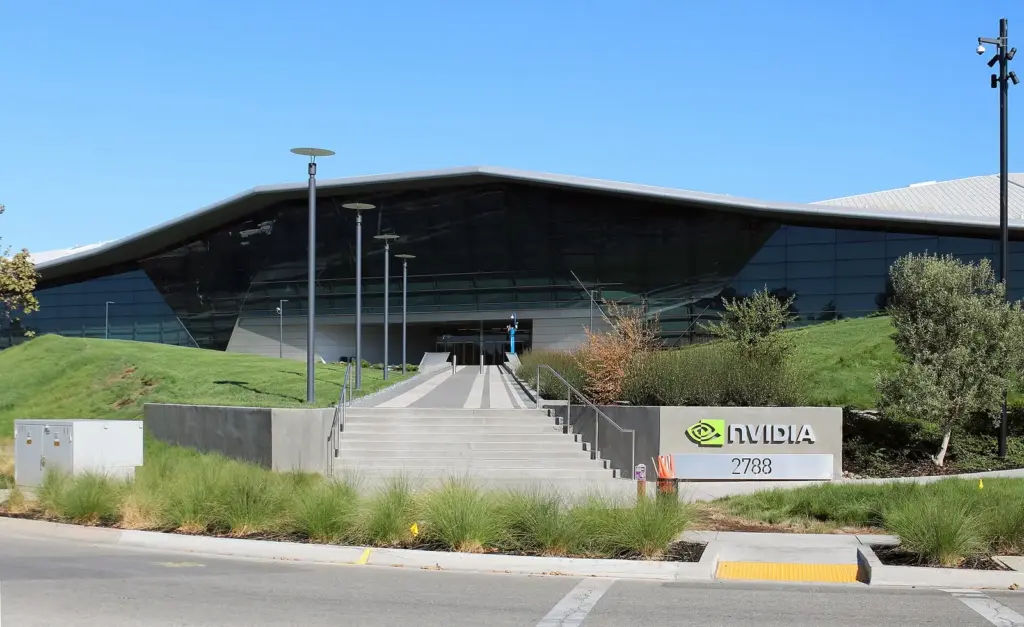
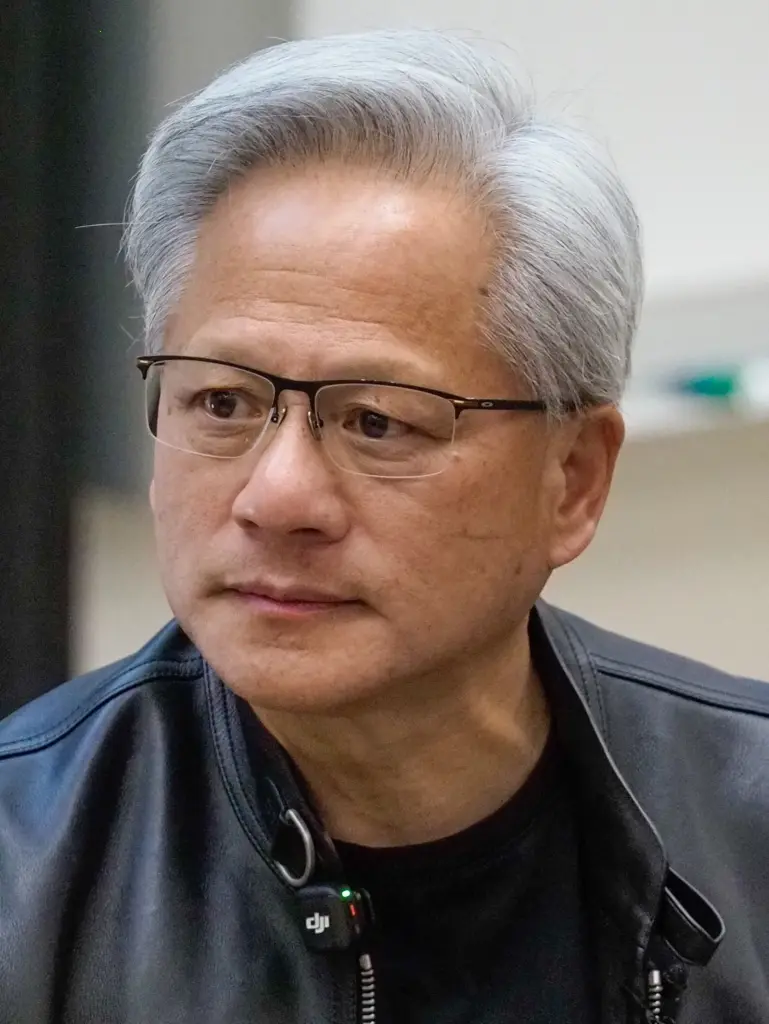
The heart of the global artificial intelligence industry is going through its most dangerous crisis. The Nvidia board met on Wednesday evening to assess the situation of Jensen Huang, co-founder and CEO of the company, according to Reuters and several American media outlets. A few hours later, the chipmaker’s stock was down 8.6% in after-hours trading. Behind this sharp decline lies a question that far exceeds the fate of one executive: what becomes of the global AI ecosystem if the man who transformed Nvidia into a central infrastructure of the technological revolution must leave the stage?
No definitive decision from the board had been announced at the time of publication. This point is crucial. Available information indicates that the directors have examined the future of Jensen Huang, but Nvidia has not officially confirmed his departure. The company had, however, announced as early as November 8 the opening of an independent investigation following reports that its leader had been targeted in a foreign intelligence operation.
An Investigation That Goes Beyond a CEO’s Privacy
The crisis began with revelations about a relationship between Jensen Huang and a former executive of Megaspeed, a Singapore-based data center company and significant Nvidia client. American officials suspect this woman of having ties to Chinese intelligence services. Huang has acknowledged an intimate relationship, while the Nvidia board has chosen to have an independent verification of whether its leader had been targeted as part of a foreign influence effort.
This is therefore not merely a personal scandal. Megaspeed is at the center of questions regarding the flow of advanced American chips into Asia and the risks of circumventing export controls. The company stated on Thursday that it would cooperate with U.S. investigations regarding potential national security risks. No public conclusion currently allows us to assert that it has violated the law, and any accusation must remain presented as such until investigations are complete.
The U.S. Congress is also getting involved. Lawmakers have requested the preservation of documents regarding controls on advanced chips, diplomatic exchanges, and interactions with Nvidia. Political pressure is focusing on one point: the group’s processors are no longer mere commercial products. They have become strategic assets in the technological rivalry between the United States and China.
Why Markets Immediately Panicked
The stock market reaction shows just how inseparable Jensen Huang and Nvidia are perceived to be. According to the Associated Press, the stock fell by 8.6% after the close, leading to a broader fragility in Asian tech stocks. Investors are not only assessing legal or reputational risks. They are trying to gauge the cost of a potential power transition at the top of a company that sets the pace for the entire AI economy.
Huang founded Nvidia in 1993 and led its transformation from a graphics card specialist to the dominant supplier of accelerators used to train and run large artificial intelligence models. This trajectory gives him a rare weight among investors, governments, developers, and Silicon Valley leaders. His network, ability to articulate the next technological step, and control of the roadmap constitute a significant part of the trust placed in the group.
The issue is one of concentration. When such a central company symbolically rests on a single person, the governance risk becomes a market risk. Customers need to know whether deliveries, partnerships, and the development of upcoming architectures will remain stable. Shareholders want to understand the depth of the management team. Competitors, on the other hand, are watching for opportunities to accelerate.
The Entire Global AI Chain is Affected
A prolonged crisis at Nvidia would impact far more than Wall Street. Cloud giants, AI labs, governments building sovereign infrastructures, and thousands of startups depend on its chips, software, and CUDA ecosystem. Server manufacturers and data center operators have planned billions of dollars in investments around the availability of its products.
France and Europe are not on the sidelines. Supercomputer projects, sovereign cloud offerings, and national AI strategies heavily rely on Nvidia technologies. A well-organized transition would not halt this industrial machine. However, unstable governance, an expanding investigation, or new export restrictions could alter timelines, prices, and supplier choices.
This vulnerability could benefit AMD, Broadcom, Google or Amazon’s in-house chips, as well as Chinese efforts to reduce their dependence on American technologies. It could also push major clients to diversify their infrastructures more quickly. The paradox is evident: the more Nvidia dominates, the more each difficulty at the top creates an incentive to seek an alternative.
The Nvidia Board is Playing Its Credibility
The board stated on November 8 that it retained its confidence in Jensen Huang and the management team while launching an independent investigation. Information published since suggests that pressure has intensified. Directors must now balance several imperatives: protect the company, respect the rights of the executive, address national security concerns, and reassure the markets without anticipating the conclusions of the investigation.
An immediate dismissal could be interpreted as an admission before all facts are established. An unconditional retention would expose the board to criticism regarding its independence. Between the two, a temporary withdrawal or an increase in operational control would offer a transitional solution, but no option has been officially announced.
Transparency will be crucial. Investors expect answers regarding the mandate of the investigation, its independence, potential conflicts of interest, and the succession plan. In a company whose value depends as much on trust as on technical performance, prolonged silence can become almost as costly as a poor decision.
The Signal That the Industry Cannot Ignore
The case reveals a new reality: the leaders of AI companies are no longer just tech executives. They find themselves at the intersection of diplomacy, defense, global trade, and national security. Their relationships, travels, and business decisions are scrutinized as those of geopolitical actors.
It also raises a maturity question for the entire sector. Artificial intelligence absorbs vast sums, but its most powerful companies still need to demonstrate that their governance structures are commensurate with their influence. An independent board, a credible succession plan, and robust internal controls are not mere administrative details: they have become essential components of the global digital infrastructure.
The world is therefore not only watching whether Jensen Huang will remain at the helm of Nvidia. It is observing whether the most important company of the AI era can navigate a crisis of trust without destabilizing everything built around it. The board’s response will set the tone far beyond Silicon Valley. It will determine whether Nvidia is an institution capable of surviving its founder or if its power remains inseparable from a single individual.
Sources
- Nvidia, official statement from the board of directors, November 8, 2026.
- Reuters, board meeting and market reaction, November 12, 2026.
- Reuters, Morning Bid on the Nvidia crisis, November 12, 2026.
- Associated Press, cooperation announced by Megaspeed, November 12, 2026.
- Associated Press, global market impact, November 12, 2026.
- U.S. Senate, request for document preservation, November 11, 2026.