Oil Flow Resumes at Strait of Hormuz, But Prices Remain High
The Strait of Hormuz, blocked by Iran since the start of the Middle East conflict, sees a significant resumption of oil transit. However, oil prices remain elevated amid persistent instability, even as US-Iran negotiations progress.
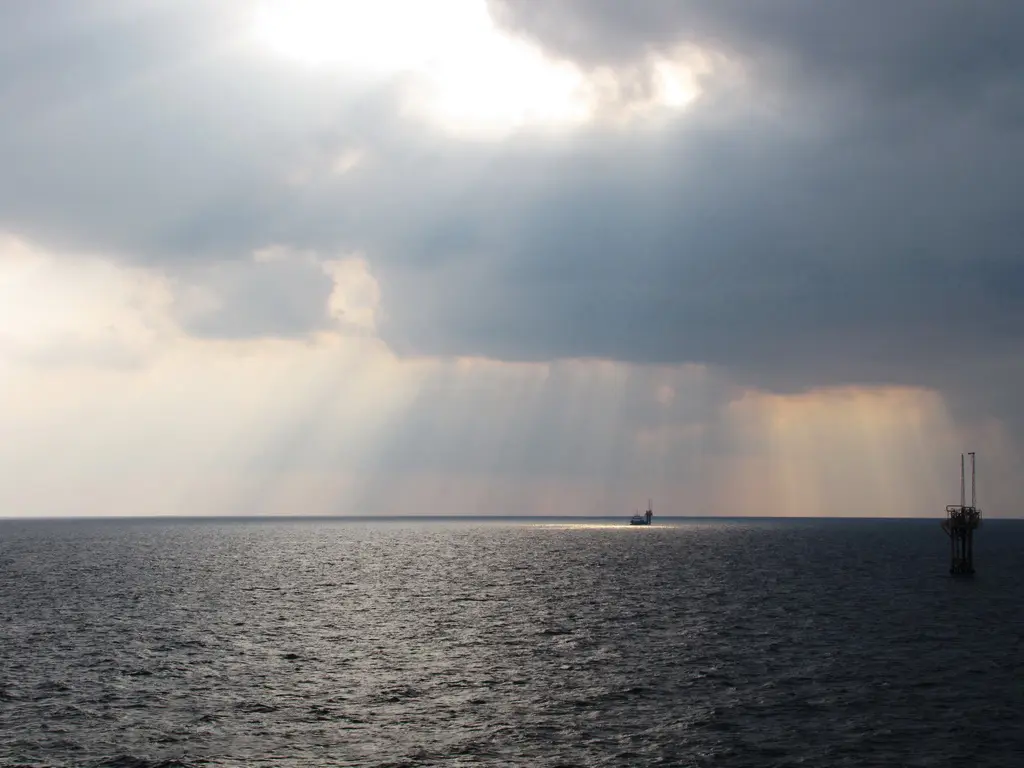
The Strait of Hormuz, a crucial maritime passage for global oil trade, is experiencing a notable resumption of oil transit after a period of blockade imposed by Iran. This development occurs amid persistent tensions in the Middle East, where control of this strategic route remains a major geopolitical issue. Despite this resumption, oil prices remain high, reflecting ongoing instability in the region.
A strategic passage under tension
The Strait of Hormuz is one of the critical points in the international trade of raw materials, notably oil. Located between the Persian Gulf and the Gulf of Oman, it constitutes the main export route for a significant share of global oil production. Any disruption in this passage has immediate repercussions on global energy markets. Since the beginning of the conflict in the Middle East, Iran has imposed a blockade on this strait, considerably affecting the flow of hydrocarbons and raising concerns about overall energy security.
Ongoing negotiations between Washington and Tehran
Despite the blockade, progress has been made in discussions between the United States and Iran regarding the situation in the Strait of Hormuz. These negotiations, aimed at easing tensions and restoring a secure passage for oil transport, have enabled a significant resumption of oil transit in recent days. This renewed activity reflects a willingness on both sides to find common ground, even though the situation remains fragile.
A resumption of oil transit, but persistent instability
The resumption of oil flow through the Strait of Hormuz represents a relief for the markets, but it does not signify a return to normal. The situation remains very unstable, with risks of new disruptions. This uncertainty is reflected in the persistence of high crude oil prices. Markets remain vigilant regarding geopolitical developments in the region, which could quickly alter the current balance.
Oil prices still under pressure
Despite the resumption of transit, oil prices continue to hold at a high level. This trend is explained by the political and security instability prevailing in the Middle East region, as well as uncertainties related to the duration and outcome of negotiations between the United States and Iran. Energy markets therefore remain under pressure, reflecting concerns about the reliability of supplies via the Strait of Hormuz.
In conclusion, the Strait of Hormuz, a strategic passage for global oil trade, is seeing its traffic resume after an Iranian blockade, thanks to ongoing negotiations between Washington and Tehran. However, the situation remains fragile, and oil prices are expected to stay high as long as instability persists in this key region.


