U2 Returns : The Last Voice of Dolly Parton Changes Everything
After nine years without a fully original album, U2 returns with Carnaval De Luz. The record concludes with Torn, a duet with Dolly Parton, which has become her final vocal recording.
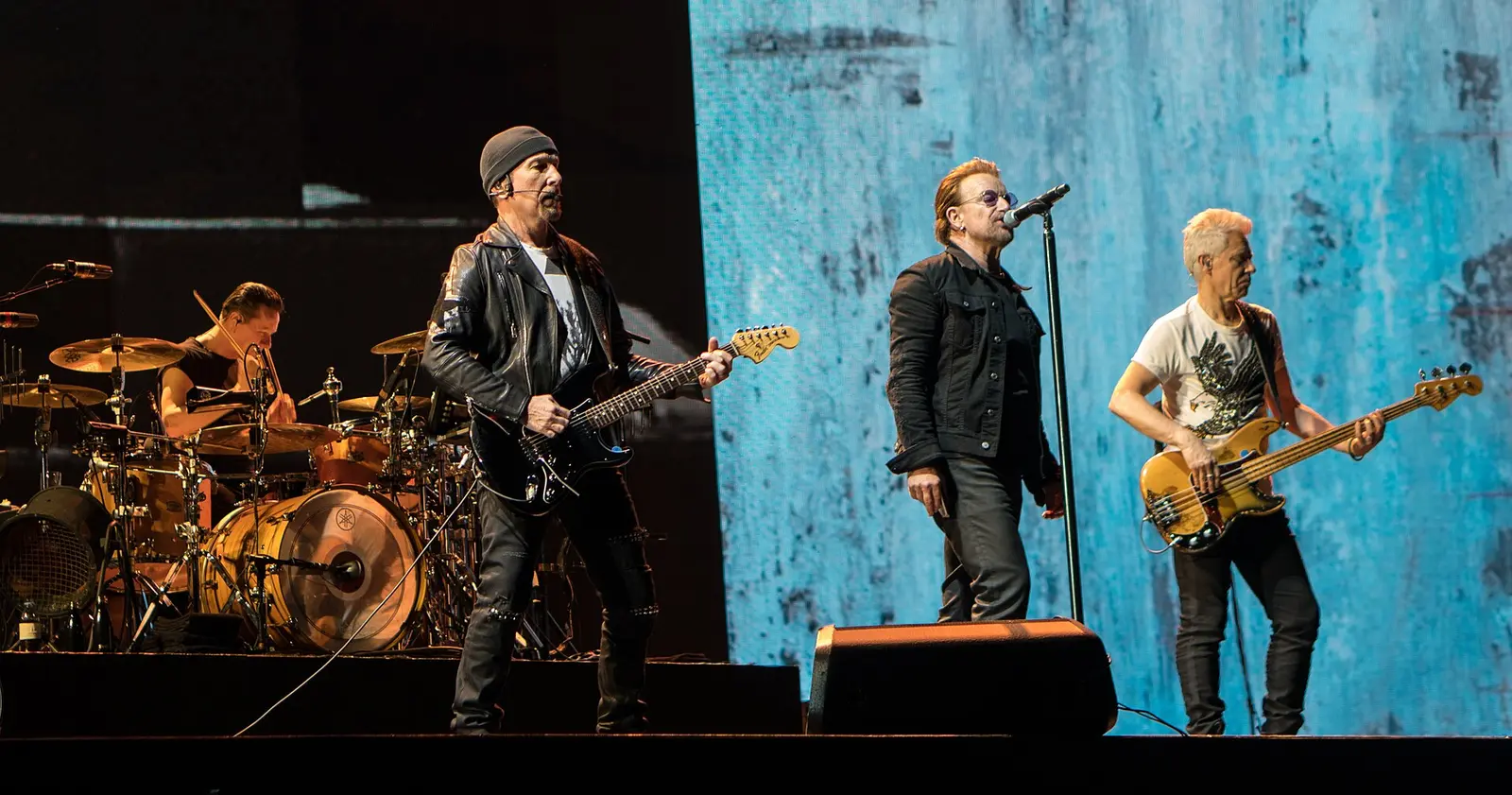
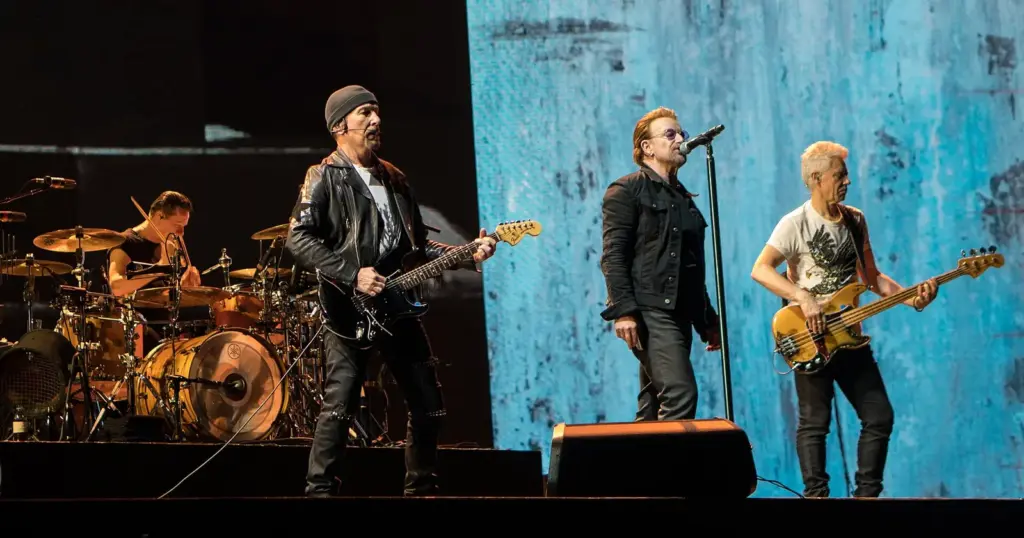
U2 shines the spotlight once again with a record steeped in history. On November 13, 2026, the Irish band releases Carnaval De Luz, their sixteenth studio album and their first complete set of original songs in nine years. But behind this musical event lies a rarer emotion: the final track, Torn, brings together Bono and Dolly Parton in what is presented as the ultimate vocal recording of the American legend.
At a time when careers are often measured in trends lasting just a few weeks, U2 transforms their return into a global rendezvous. Bono, The Edge, Adam Clayton, and Larry Mullen Jr. are not merely seeking to remind us of their longevity. They deliver an album that connects fifty years of history, the mourning of a country icon, contemporary collaborations, and an already highly anticipated international tour.
Nine Years of Waiting for a True New Album
The official U2 website presents Carnaval De Luz as the first album of new material from the band in nine years. The previous record composed of original songs, Songs of Experience, dates back to 2017. In the meantime, U2 has not disappeared: tours, retrospective projects, re-recordings, and two EPs released in early 2026 have maintained their connection with the public.
This distinction matters. Carnaval De Luz is not a mere compilation or a nostalgic exercise. Its roots lie in the same creative period as the EPs Days Of Ash and Easter Lily, but the album is conceived as a standalone work. The official version features eleven tracks, from the opening Go (Carnaval De Luz) to Torn.
Producer Jacknife Lee, a collaborator of the band since How to Dismantle an Atomic Bomb in 2004, ensures continuity. This choice gives U2 a partner capable of understanding their historical sound architecture while avoiding the trap of automatic reproduction. The challenge is immense: to satisfy multiple generations of fans without turning a comeback into a museum.
Torn, the Song that Changes the Scope of the Album
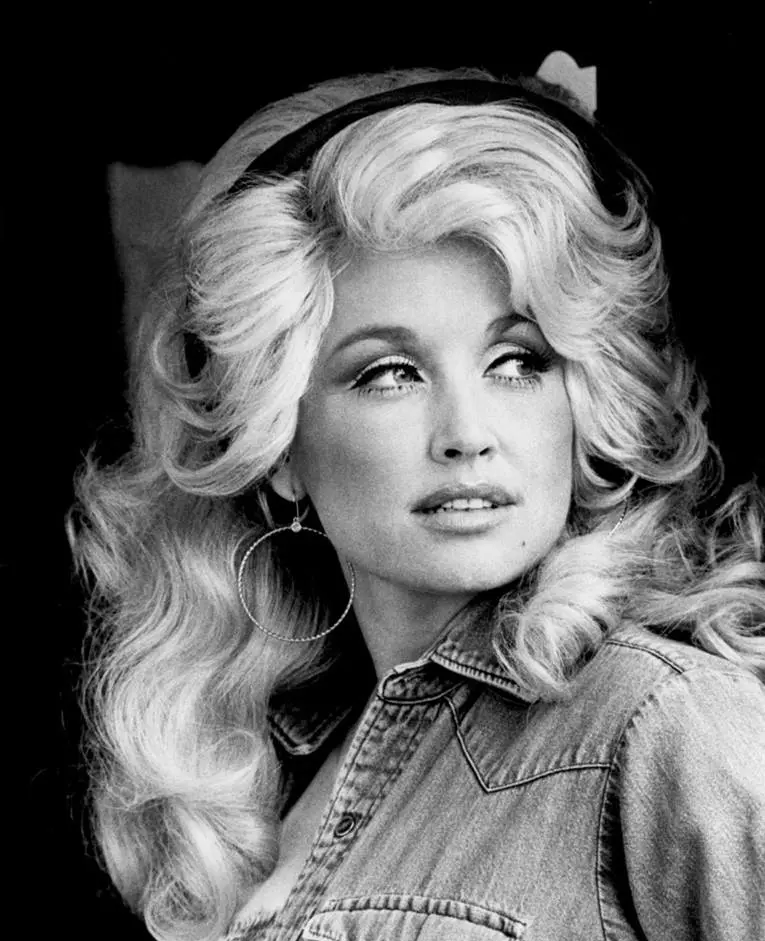
The presence of Dolly Parton gives the album a dimension that transcends the classic musical release. The Associated Press confirmed as early as the announcement of the project that the American star would participate in a song. Since her passing at the end of August 2026, Torn is now heard as her last recorded testament.
This situation calls for restraint. It is not about reducing a monumental artist to a footnote in U2’s career. Dolly Parton has shaped country, pop, and popular culture for decades. Her voice on Torn becomes a bridge between Nashville and Dublin, between two musical traditions and two ways of narrating faith, fracture, hope, and resilience.
Placing this duet at the conclusion is therefore not trivial. A final track often serves as an epilogue: it leaves the listener with the central idea of the album. Here, Dolly Parton’s voice transforms the end into a passing of the torch. It also gives the listening experience a new gravity, as the audience knows there will be no next recording from the singer to discover.
An Album Designed as a Movement Between Shadow and Light
The title Carnaval De Luz, which can be translated as “carnival of light,” announces a tension between celebration and concern. The titles unveiled by the band evoke dreams, mirrors, silence, war, glory, midnight sun, and the possibility of moving forward. This vocabulary is true to U2: the band has always sought the spectacular without abandoning spiritual and political themes.
Among the tracks is The Mirror Maker (Rosalía). The mention of the Spanish singer’s first name has sparked much commentary, even though it does not necessarily correspond to a vocal collaboration. It rather illustrates U2’s interest in a generation of artists who blend tradition, experimentation, and global culture.
The project also comes at a symbolic moment marking the fiftieth anniversary of the band. In September 1976, Larry Mullen Jr. had posted a note seeking musicians at his school in Dublin. Half a century later, the four members are still associated with a new album. This permanence is exceptional in an industry marked by separations, replacements, and incomplete comebacks.
Why This Return Can Touch Multiple Generations
U2 belongs to the short list of bands capable of transforming a release into an intergenerational event. Historical listeners seek the continuity of an adventure that began with Boy, The Joshua Tree, or Achtung Baby. Younger audiences encounter a band whose songs remain omnipresent in films, series, stadiums, and playlists.
The duet with Dolly Parton further expands this audience. The fans of rock, country, and pop do not entirely overlap, but they recognize two cultural institutions. In a saturated attention economy, this meeting offers a clear and human story: two immense careers intersect one last time on a song dedicated to fracture and connection.
The commercial stakes are also considerable. Vinyl editions, box sets, streaming, and the tour extend the life of the album beyond its first week. The band has already announced additional dates in several European cities, including Paris, a sign of strong demand. For French fans, the concerts scheduled at the Stade de France in May 2027 will provide a direct follow-up to the release.
The Test of a Band That Has Become an Institution
Exceptional longevity can be both a strength and a burden. Every new U2 record is compared to albums that have become global benchmarks. Any experimentation risks being judged too far removed from the band’s identity; any return to historical guitars may be accused of caution. Carnaval De Luz thus arrives with an almost impossible mission: to be familiar without being frozen.
The early reviews do not all tell the same story, which is rather healthy. Some praise the ambition and depth of the project, while others question its excesses. This diversity reminds us that an important album is not only one that achieves immediate consensus. It is also one that provokes repeated listens, disagreements, and a lasting conversation.
The record will then have to live beyond the emotion surrounding Dolly Parton. Torn rightly attracts attention, but the other tracks will determine whether the album settles into the band’s discography or remains associated with a single moment. The tour will be decisive: U2 has built much of its mythology on its ability to expand songs on stage.
A Global Release, Yet a Very Intimate Emotion
The return of U2 possesses all the attributes of a global launch, but its heart is surprisingly intimate. Four musicians reflect on fifty years of touring, while a departed voice utters its last recorded words. The contrast between the scale of the event and the fragility of this farewell explains why Carnaval De Luz can resonate far beyond the circle of fans.
In an era where artificial intelligence can imitate timbres and where old catalogs are constantly recycled, the value of a true final performance becomes even stronger. Torn is not a reconstruction: it is the trace of a real artistic encounter. U2 thus does not return merely with an album. The band offers a framework for Dolly Parton’s last voice and reminds us that music remains, above all, a shared memory.
Sources
- U2.com, official page of Carnaval De Luz, release information, credits, and tracklist, accessed November 13, 2026.
- U2.com, official announcement of the new album, September 24, 2026.
- Associated Press, announcement of the album and Dolly Parton’s participation, October 2026.
- Associated Press, selection of cultural releases of the week, November 2026.