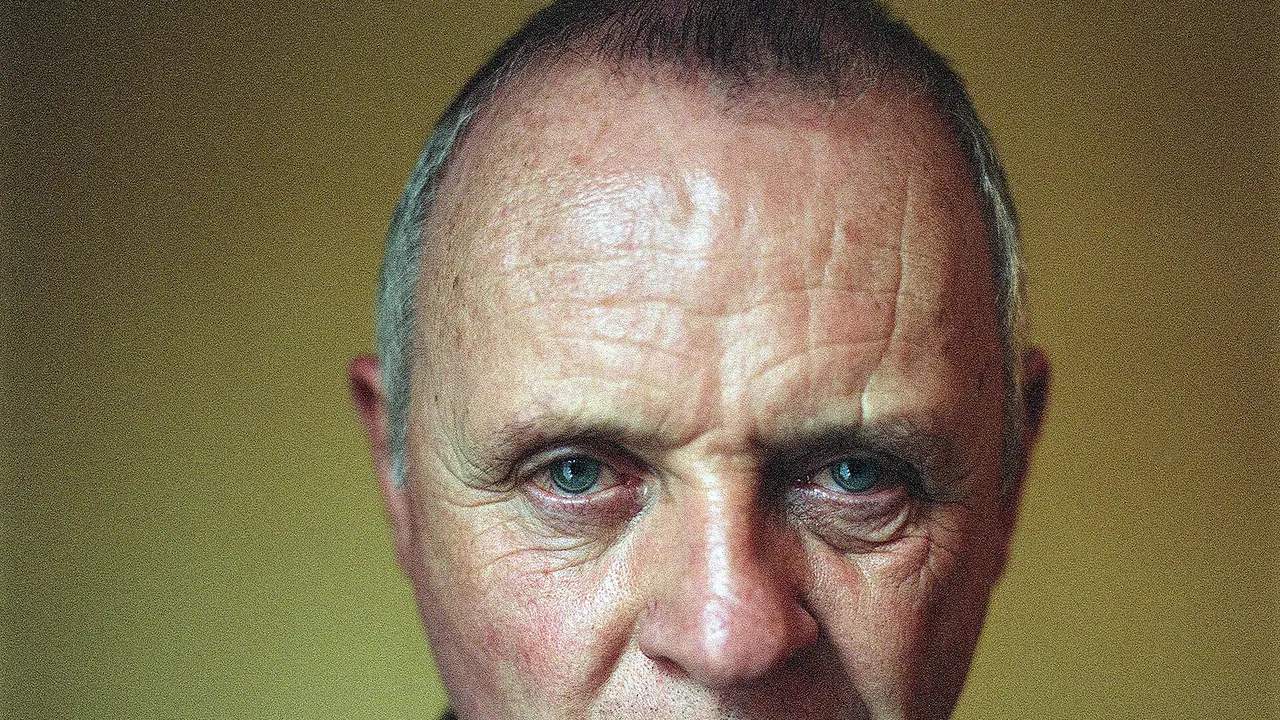
On August 21, 2026, Anthony Hopkins releases Life Is a Dream on Decca Classics, and the event goes far beyond the curiosity of an actor becoming a composer. The album brings together twelve works written over more than six decades, recorded with the Philharmonia Orchestra under the direction of Gustavo Dudamel, with Sergio Tiempo, Gregorio Nieto, The Bach Choir and the choristers of Winchester Cathedral. At 88, Hopkins is not simply launching a record. He is offering another way to think about an artistic career: not as a straight line, but as a constellation of parallel lives that finally meet.
The release arrives in a crowded week of new cultural offerings, highlighted by the Associated Press among the late-August appointments. But Life Is a Dream has a rare singularity. It is neither a celebrity album designed to capitalize on a famous name, nor a simple late-career whim. The information from Decca and Gustavo Dudamel emphasizes long-term work: pieces inspired by Wales, family, childhood memories, cinema, love and memory. Music becomes here the intimate reverse shot of a mythological filmography.
Prestige as Passage
The signing with Decca Classics is essential. It turns a personal story into an institutional object. In the music industry, the Hopkins name is enough to attract attention, but it is not enough to legitimize an orchestral album. The label brings a framework, production standards, catalogue memory and a promise of seriousness. The record therefore enters a space more demanding than simple pop-cultural novelty. It asks to be heard as a musical project, not only as an extension of fame.
Gustavo Dudamel plays the role of mediator. His presence is not only there to decorate the cover with a prestigious name. It gives the project sonic authority and international legibility. Dudamel knows how to translate the narrative energy of a score into an ample, accessible, almost cinematic orchestral gesture. That is exactly what Hopkins needs: an interpreter able to respect the personal dimension of the pieces while placing them in a form the wider public can read.
Music Born Before the Legend
The most moving part of the story is chronological. Hopkins does not come to composition after having achieved everything in cinema. The music was already there. Gustavo Dudamel’s site recalls that he played piano from childhood, before acting became his main territory. Some melodies date back to the 1960s, including his time at the Liverpool Playhouse. That anteriority changes how the album is perceived. It is not a detour. It is rather the return of a first language that long remained at the margins.
That return gives Life Is a Dream a particular force. Hopkins no longer needs to prove that he is Anthony Hopkins. He can therefore allow himself a form of fragility. Composing, especially after such a visible career, exposes a person differently than acting does. The actor can hide behind a character. The composer lets an inner architecture circulate: harmonies, memories, obsessions and forms of modesty. That displacement is what makes the project culturally interesting.
Cinema Inside the Orchestra
Early descriptions of the album emphasize its cinematic character. That is not a weakness. Hopkins built his imagination through the screen, theatre, silences and faces. It is logical that his music thinks in images, climates and framed memories. Titles such as Farewell My Love, My Fatherland, Margam, Stella Aria and the suite 1947 suggest writing attached to places, people and inner scenes. The orchestra becomes a camera of memory.
This proximity to cinema can open the record to an audience that does not naturally frequent classical music. That is an obvious commercial issue for Decca, but also a broader cultural issue. For years, classical music has been looking for new entry points: soundtracks, immersive formats, Dolby Atmos, social platforms, event concerts and collaborations with familiar figures. Hopkins offers a powerful doorway, because his face already carries a century of stories, roles and myths.
The Creative Luxury of Long Time
In an industry obsessed with speed, Life Is a Dream argues almost the opposite. The works cover several decades. Some seem to come from very old memory, others from more recent maturity. The record highlights a resource that has become rare: long time. The luxury is not only in the conductor’s name, the quality of the orchestra or the beauty of the object. It lies in the fact that an artist preserved ideas long enough to let them mature into their final form.
That kind of luxury is especially interesting for B-EMPIRE, because it escapes the usual logic of celebrity. Hopkins is not simply reselling his image. He is revealing a secret workshop. The value does not come from absolute novelty, but from accumulated depth. At a time when many brands are trying to narrate authenticity, here is an almost too pure case: a work that was not invented for a campaign, but accompanied a life before becoming a global product.
A Soft Strategy for Classical Music
For Decca Classics, the album has subtle strategic value. It can reach film lovers, admirers of British prestige, orchestral listeners and the curious who want to understand what the man behind Hannibal Lecter, the butler of The Remains of the Day or the father in The Father composes. That crossing of audiences is precious. Classical music does not grow only by selling to the already convinced. It grows when it creates occasions to move across cultural borders.
The presence of physical formats, streaming, downloads and modern audio versions expands the device further. The album can be collected, added to a digital library, recommended by platforms, used in concentration or cinema playlists, discussed by music critics and shared by Hopkins fans. A deeply personal work therefore becomes an object circulating through several economies: prestige, emotion, discovery, nostalgia and curiosity.
What to Remember
Life Is a Dream is less a surprise than a revelation. It reminds us that visible careers often hide patient, discreet practices, sometimes older than fame itself. Hopkins is not abandoning cinema by releasing this album. He is showing that his relationship to storytelling has always exceeded the image. Music becomes another kind of editing: places, loved ones, memories and climates assembled without dialogue.
On August 21, 2026, the album’s release therefore offers a rare moment: a globally recognized artist agrees to present himself as a beginner in another discipline, while bringing to it sixty years of inner material. Perhaps that is the true elegance of this second life: not trying to rejuvenate a legend, but letting us hear what was silently working behind it.
Sources
- Deutsche Grammophon – HOPKINS Life Is A Dream / Dudamel, accessed August 21, 2026.
- Deutsche Grammophon Store – Anthony Hopkins, Life Is a Dream, accessed August 21, 2026.
- Gustavo Dudamel – Life Is a Dream, accessed August 21, 2026.
- Associated Press – What to Stream, August 17-23, 2026, August 15, 2026.
- ABC News / Associated Press – Sir Anthony Hopkins on his debut album, August 12, 2026.
- Financial Times – Anthony Hopkins turns composer with Life Is a Dream, August 18, 2026.