For the first time, an Olympic event is taking place on African soil. Since the opening of the Dakar 2026 Youth Olympic Games, Senegal has welcomed thousands of athletes aged 14 to 17 across Dakar, Diamniadio and Saly. The symbolism is enormous, but history will not be made only in the arenas. The decisive question is already about what comes next: what, concretely, will remain for young people and residents after the delegations leave?
The International Olympic Committee expects around 2,700 participants and a programme of 25 sports, alongside discovery activities. This edition also aims for gender equality across athlete quotas, disciplines and events. The Games offer a platform to a new generation and to sporting practices rarely placed at the centre of the global sports narrative. Beach wrestling, deeply connected to Senegalese culture, makes its Youth Olympic Games debut.
A First That Shifts the Centre of the Story
Hosting the event does not mean Africa is discovering elite sport. The continent has produced champions, popular competitions and powerful sporting scenes for generations. What changes is the geography of attention: for nearly two weeks, Olympic images are produced from Dakar, rather than merely discussed from capitals accustomed to hosting major events.
This visibility could open doors for federations, coaches and young talent. It could also stimulate tourism, event-related jobs and partner interest in local disciplines. But media exposure is not a sports policy. If facilities remain difficult to access, clubs lack coaching or young people cannot afford to get there, the event will have generated images rather than transformation.
Existing Venues Are a Promise That Must Be Tested
Organisers highlight an approach that limits permanent construction. According to IOC information, competitions are spread across three zones and eight venues; several existing facilities are being used or refurbished, while the athletes’ village relies on a university campus and student housing. In Saly, a temporary installation serves a beach event. On paper, this model reduces a familiar risk of mega-events: expensive arenas that later sit underused.
That promise must be assessed after the closing ceremony. A reused building is useful only if access, maintenance and funding are organised. Will students return to housing in good condition? Will refurbished facilities be open to clubs and schools? Will temporary installations be dismantled without hidden costs? These answers, more than visitor numbers, will distinguish a sustainability strategy from a bid slogan.
Enthusiasm Coexists With Economic Pressure
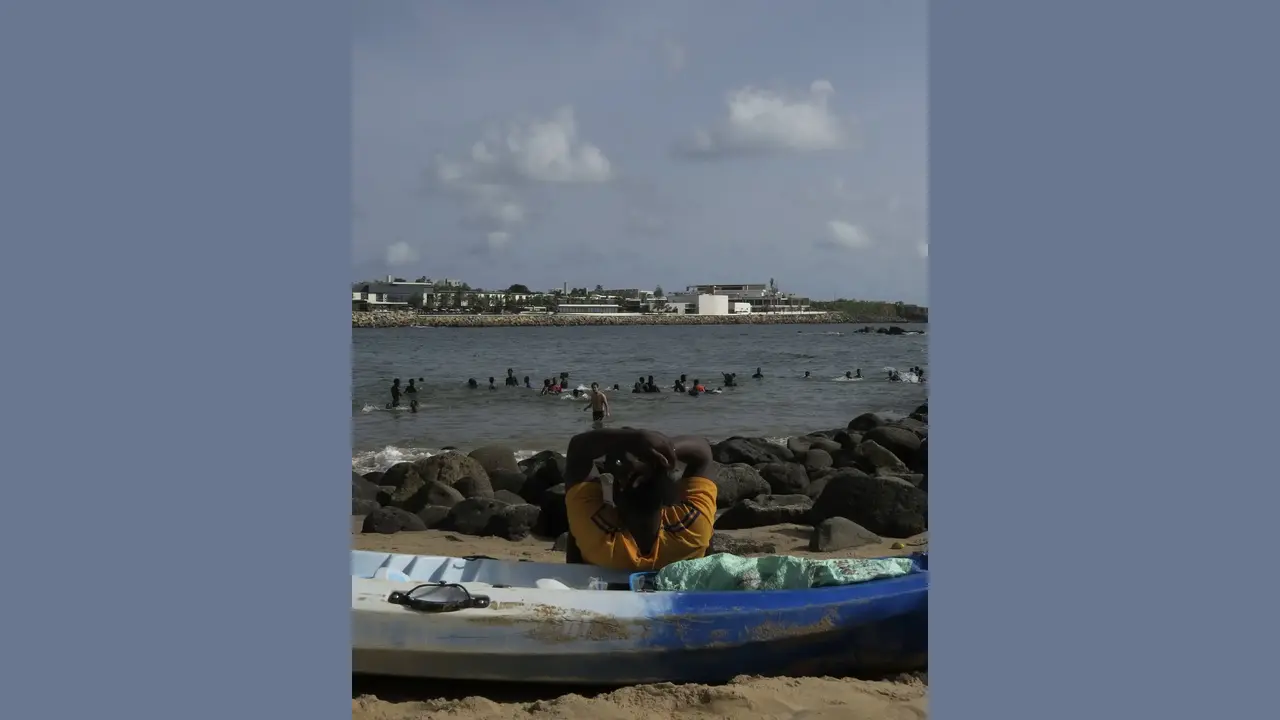
The social contrast cannot be ignored. In a report published on November 2, the Associated Press described families for whom daily expenses take precedence over the Games’ historic significance. This reality does not diminish national pride; it reminds us that a sporting event takes place within a society already facing urgent challenges. Celebrating Africa and responding to the cost of living are not inherently competing goals, but organisers must show how benefits extend beyond contractors and the neighbourhoods closest to the venues.
The strongest legacy would therefore be measurable and shared: more training hours, accessible facilities, jobs that do not vanish with the teams, local businesses paid on time, and a lasting increase in sports participation among girls and boys alike. Without data published after the Games, the debate may remain trapped between two incomplete narratives: symbolic triumph on one side, immediate cost on the other.
Dakar’s Test Will Play Out Over Several Years
Dakar 2026 cannot, by itself, solve the structural challenges facing African sport or Senegal’s economy. It can, however, provide a platform: strengthen federations, create training pathways and turn refurbished venues into places for regular participation. For that to happen, the post-Games plan must be prepared with local authorities, clubs, universities and residents, not decided solely inside organising offices.
There is also a question of who gets to define success. Organisers naturally count attendance, completed events and international broadcast reach. Residents may judge the occasion differently: whether transport improved, whether neighbourhoods could participate without prohibitive costs, and whether local suppliers were able to build relationships that continue afterward. Publishing a clear account of expenditure, contracts, facility use and participation would make the legacy conversation more credible.
`n`nYoung athletes need continuity more than a single moment of inspiration. A school visit to a competition can spark interest, but a nearby club, safe practice space, qualified coach and affordable equipment turn interest into a habit. The same applies to talent identification: an event is an opportunity to connect schools and federations, but follow-up programmes must make sure that promising children are not lost when the spotlight moves elsewhere.
`n`nThe first page of African Olympic history has been written. The next will be less spectacular, but more important: it will show whether young people who watched the competitions can actually take part, improve and find a place in sport. Dakar has secured the stage. Its legacy depends on what remains when the lights go out.
Sources
- Associated Press, November 2, 2026 — the Games and the cost of living in Senegal.
- Associated Press, October 31, 2026 — the opening and historic significance of the Games.
- International Olympic Committee — key figures, programme and gender-equality quotas.
- International Olympic Committee, Dakar 2026 venues — zones, infrastructure and athletes’ village.