Russia Ready to Supply Oil to the United States, Zelensky Condemns Washington
Russian President Vladimir Putin announced readiness to supply oil to the US, confirmed by Donald Trump. Ukrainian President Zelensky condemned the move as weak and unworthy during sensitive talks.
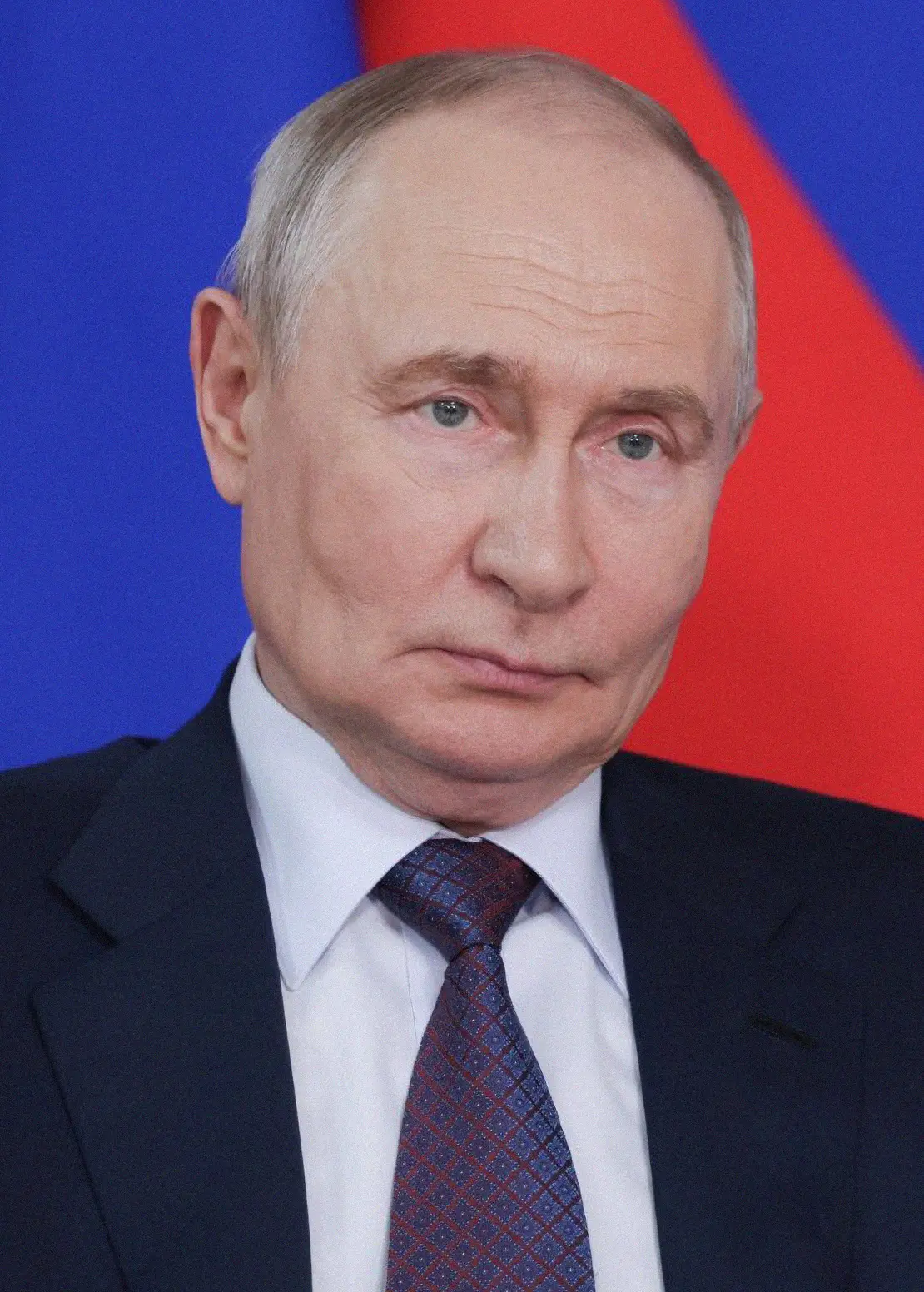
Russian President Vladimir Putin declared on Friday his willingness to supply oil to global markets, including the United States, amid a fuel crisis. This announcement, confirmed by U.S. President Donald Trump, provoked a strong reaction from Ukrainian President Volodymyr Zelensky, who criticized the American decision as “unworthy” and “weak.” These events come as a Ukrainian delegation is in the midst of negotiations in the United States.
A Russian offer of oil to the United States
In a tense global context marked by a persistent energy crisis, Russian President Vladimir Putin announced on Friday his willingness to supply oil to international markets, including the United States. This announcement comes as fuel prices experience significant volatility, affecting economies and consumers worldwide. Russia, as one of the largest producers and exporters of oil, plays a key role in the balance of global supplies.
Moscow’s gesture, which could help ease pressure on oil markets, was confirmed by U.S. President Donald Trump. This confirmation suggests an openness from the United States to diversify its supply sources, in a context where energy security has become a strategic priority for many countries.
The Ukrainian reaction: a severe criticism
The Russian proposal and American acceptance triggered an immediate and strong reaction from Ukrainian President Volodymyr Zelensky. He described Washington’s decision as “unworthy” and “weak,” highlighting the complexity of the political and diplomatic context surrounding this announcement. Zelensky’s criticism reflects the ongoing tensions between Ukraine and Russia, exacerbated by territorial and political conflicts over several years.
Furthermore, this stance comes as a Ukrainian delegation is currently negotiating in the United States. These discussions, the details of which remain confidential, likely aim to strengthen bilateral cooperation and secure increased support in the face of the security and economic challenges Ukraine is experiencing. The American decision to accept Russian oil could thus complicate diplomatic relations between Washington and Kiev.
Energy and geopolitical context
The global fuel crisis is part of a broader context of geopolitical and economic tensions. Russia, as a major energy supplier, often uses its resources as leverage in its international relations. Putin’s proposal to deliver oil to the United States can be seen as an attempt to normalize trade exchanges despite political disagreements.
For the United States, importing Russian oil represents a strategic choice that could meet immediate energy needs while sparking internal debates about the political implications of this decision. For Ukraine, a neighboring country in conflict with Russia, this development is perceived as a sign of weakness from its Western allies, notably the United States.
Future perspectives and stakes
Washington’s decision to accept Russian oil and Moscow’s willingness to supply this oil to the United States could have significant repercussions on regional and global geopolitical dynamics. These events highlight the complexities of international relations where economic and energy interests can sometimes conflict with political and security alliances.
In this context, Ukraine’s position and its ongoing negotiations in the United States will be closely watched. How Washington balances its energy needs with its commitments to Kiev could influence transatlantic relations and regional stability in the medium term.
In sum, Vladimir Putin’s announcement and Volodymyr Zelensky’s reaction illustrate the persistent tensions between energy issues and geopolitical stakes in a world where natural resources remain a key factor in international relations.