Taylor Swift Enters the Museum : The Exhibit That is Already Dividing Boston
The Museum of Fine Arts in Boston will host an exclusive exhibit dedicated to Taylor Swift in 2027. Over 50 costumes, instruments, and objects narrate twenty years of her career, at the heart of a debate on pop and museums.
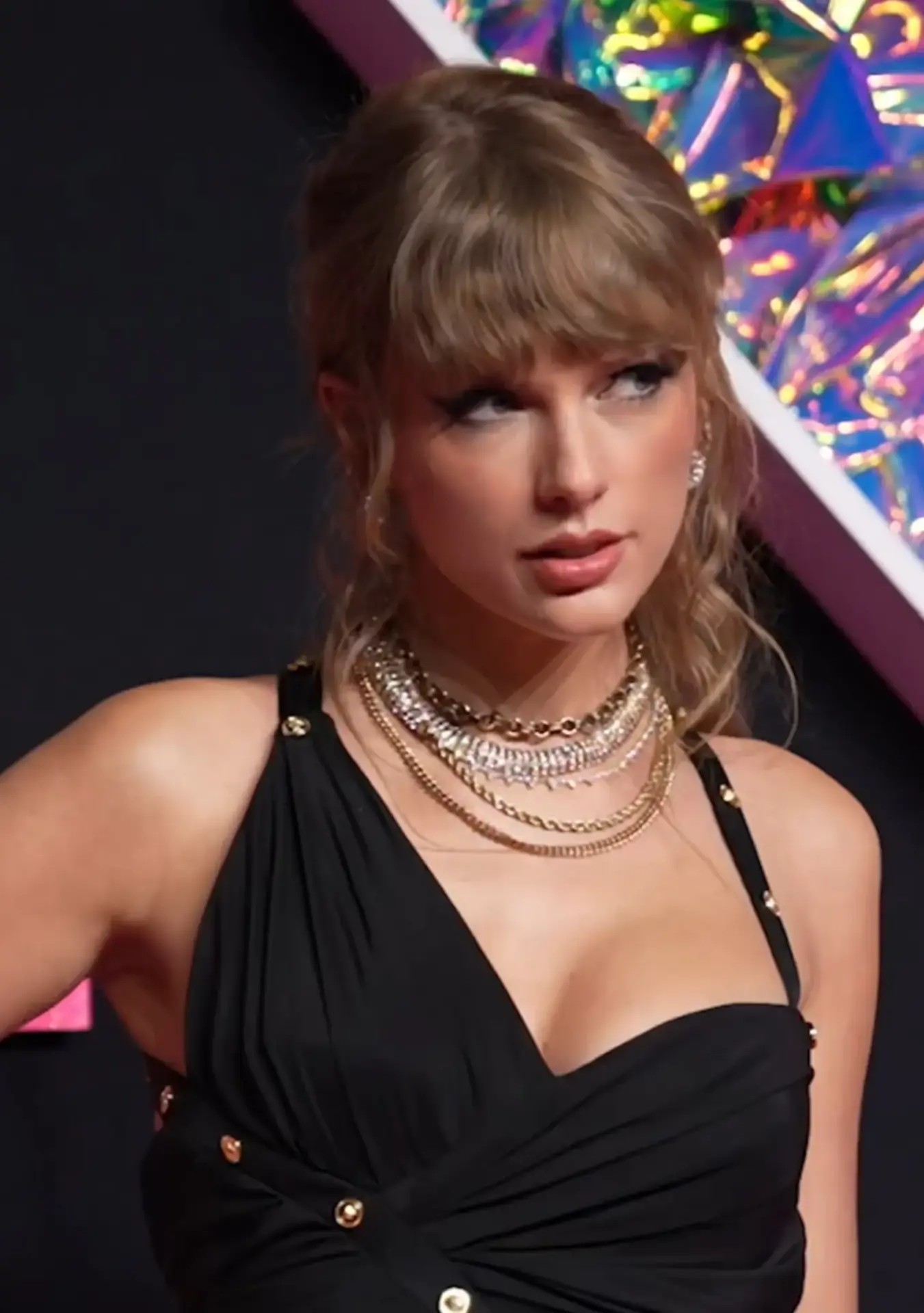
Taylor Swift is no longer just filling stadiums: she is now entering one of America’s great museums. The Museum of Fine Arts in Boston will open in 2027 Taylor Swift: The Eras Collection, an exclusive exhibit featuring over 50 costumes, instruments, and items from the singer’s archives. The announcement resembles a new cultural triumph, but it already raises a deeper question: can a global superstar become a museum subject on par with artists recognized by history?
The exhibit, running from April 10 to August 15, 2027, will be the first in the history of the MFA Boston entirely dedicated to a musician. It will trace the twelve artistic periods of Taylor Swift, from her country beginnings to The Life of a Showgirl, released in 2025. Public tickets will go on sale on December 13, 2026, the star’s birthday, priced at $40 for adults.
Over 50 Items to Tell Twenty Years of Transformations
The journey will not be a mere gallery of famous dresses. The museum promises instruments, accessories, stage costumes, and items associated with the music videos that have shaped Taylor Swift’s public image. Each “era” will have its own sequence, like a visual chapter of a career built on reinvention.
The narrative will begin with a nod to Tim McGraw, Swift’s first single from 2006, and will conclude around The Fate of Ophelia, from her 2025 album. In between, the audience will discover a banjo used during the Speak Now tour, a green Gibson acoustic guitar associated with the Reputation tour, and the grand red Alberta Ferretti dress worn during the folklore and evermore segments of the Eras Tour.
The museum also announces the presence of the Victorian-inspired dress and the typewriter from the Fortnight music video, as well as the pink and gold piano shell used at the 2019 American Music Awards. These pieces allow for an exploration of the singer’s career through clothing, decor, and instruments, three elements that have become as significant as the songs in constructing her universe.
The Unprecedented Bet of the Museum of Fine Arts Boston
For the MFA, the stakes go beyond Taylor Swift’s fame. The institution has long held collections related to fashion and musical instruments. It presents the exhibit as a natural extension of its work, applied this time to a living artist whose aesthetic choices have influenced global popular culture.
Curator Jared Katz emphasizes that the items cover a musical journey of twenty years across multiple genres. This approach allows for an observation of how Swift transitioned from country to pop, then to more acoustic and narrative writing, all while maintaining visual mastery in each cycle.
The exhibit will have only one location: Boston. This exclusivity immediately transforms the project into a tourist event. The museum will extend its hours on Saturdays until 10 PM throughout the duration of the presentation. It already recommends booking in advance, a sign that it anticipates demand far exceeding that of a typical exhibit.
Why the Announcement is Already Triggering a Cultural Battle
The reaction is not limited to the enthusiasm of Swifties. Critics are questioning the decision of an encyclopedic museum to dedicate a major event to the most visible celebrity on the planet. In The Atlantic, the exhibit is analyzed as a symptom of cultural institutions seeking new audiences and additional revenue during a financially challenging period.
This debate pits two visions of the museum against each other. The first believes that an institution should maintain a critical distance and avoid becoming an extension of the entertainment industry. The second argues that fashion, spectacle, music videos, and popular music produce objects worthy of study precisely because they shape contemporary imagination.
The case of Taylor Swift makes this tension spectacular. Her career is not solely about music: it intertwines autobiographical storytelling, branding strategies, digital communities, costumes designed by major houses, and the global economy of tours. Exhibiting these elements amounts to documenting a form of cultural power unique to the 21st century.
Fashion Becomes an Archive of Global Pop
Costumes occupy a central place because Taylor Swift’s “eras” are immediately recognizable by their colors, materials, and silhouettes. A dress can signal Fearless, Red, or folklore even before a note is played. The wardrobe functions as a system of memory shared by millions of fans.
This dimension brings the exhibit closer to major retrospectives dedicated to David Bowie or other figures whose clothing extended musical language. But Swift brings a particularity: her audience has followed each transformation in real-time and has immediately archived it on social media. The museum does not reveal a forgotten heritage; it provides an institutional framework for an already vibrant and massively commented archive.
For fashion houses, the value is considerable. The creations worn during the Eras Tour or in music videos transition from their promotional function to acquire a heritage status. They become tangible witnesses of an economic and cultural phenomenon that has crossed continents.
A Cultural Event, but Also an Economic Machine
The ticket price, extended hours, and the sale scheduled for the singer’s birthday show that the MFA perfectly understands the logic of the event. The museum does not hide its ambition to welcome Swifties, whose ability to travel, purchase, and create a collective dynamic has already been measured during the Eras Tour.
Boston can expect benefits for hospitality, dining, and local commerce, especially since the exhibit will not travel to other cities. International visitors will have to come to Massachusetts to see the entire collection. This geographical rarity replicates, on a museum scale, the logic of a residency or an exceptional concert.
The project also demonstrates how traditional institutions seek to transform their relationship with younger audiences. A Taylor Swift exhibit can serve as a gateway to the permanent collections, as the ticket includes general admission. The hope is that some visitors drawn in by a dress or a guitar will subsequently discover painting, photography, decorative arts, or ancient instruments.
What This Exhibit Changes for Taylor Swift
For the singer, the exhibit marks a new level of legitimization. Awards, sales records, and tours already prove her success. The museum adds something else: the idea that her working objects deserve to be preserved, contextualized, and interpreted as traces of an era.
This recognition comes twenty years after her first album. It gives her trajectory a form of historical narrative even as her career continues. This is precisely what troubles some observers: the distance is still lacking to distinguish fleeting fashion from lasting influence. But this lack of distance also adds to the project’s interest. The public will witness a cultural story that is still in motion.
In Boston, Taylor Swift will therefore not only be celebrated as a star. She will become a case study on the construction of an artistic identity, the global circulation of fashion, and the economic power of fan communities. The real event lies here: the museum no longer asks if pop belongs to culture, but how it should narrate its power.