
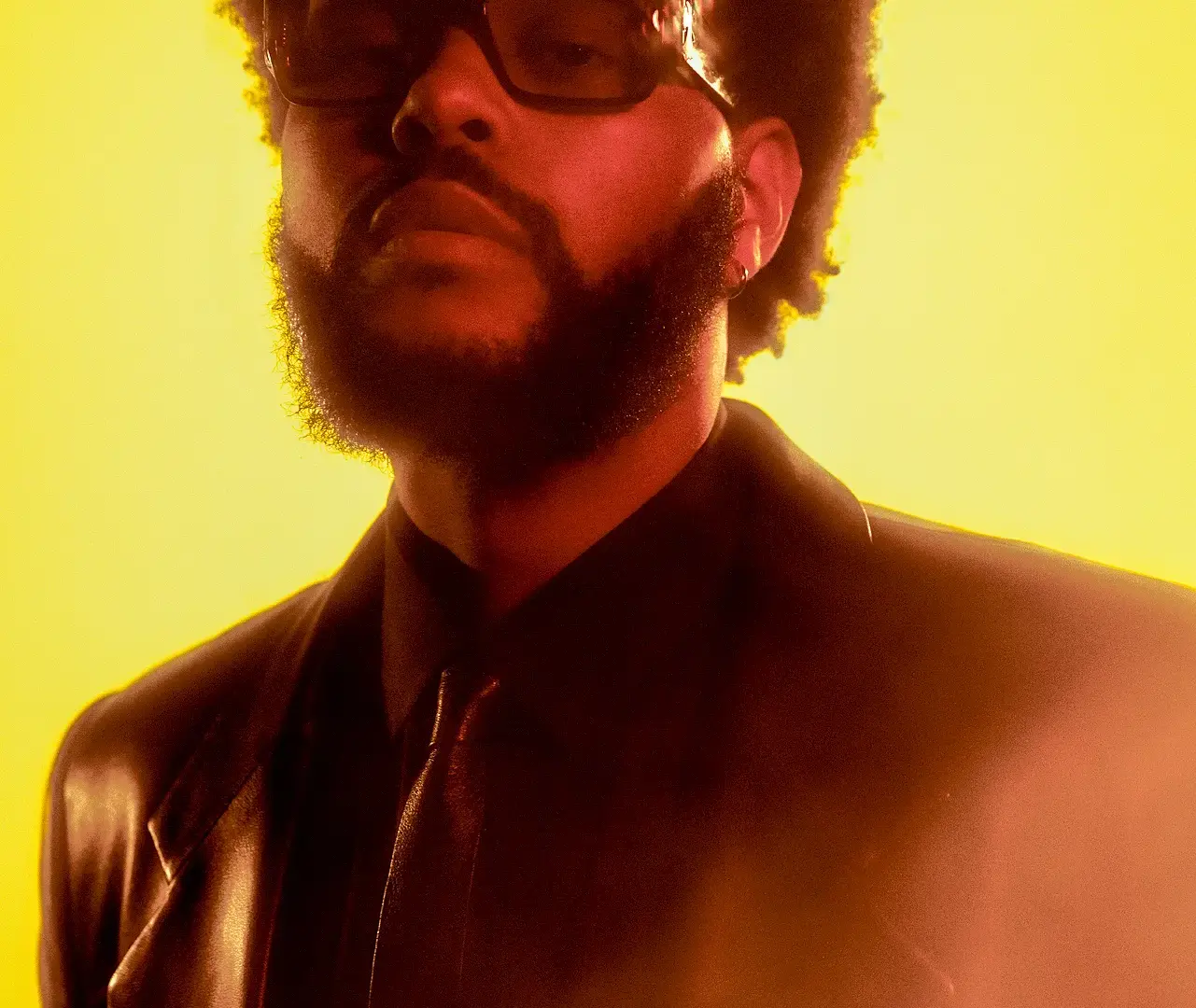
The last sunrise of After Hours Til Dawn takes place in Kuala Lumpur. On November 5, 2026, The Weeknd is set to close his tour at the TM Stadium Nasional, a journey that began in July 2022 in Philadelphia and has become one of the greatest phenomena in the history of live entertainment. After five years, multiple continents, and a stadium production that has become instantly recognizable, Abel Tesfaye transforms the Malaysian capital into the final point of an adventure that has surpassed one billion dollars in revenue.
The choice of Malaysia is far from a mere logistical final stop. The concerts on November 4 and 5 are expected to gather approximately 130,000 spectators in total, according to local press reports. After the first night, the artist promised not to overlook the country in his future tours and assured that he had saved “the best for last.” The formula is spectacular, but it encapsulates a real movement: Asia is no longer an annex of major Western tours; it has become the finale, the driving force, and sometimes the creative laboratory.
The Game-Changing Figure: Over One Billion Dollars
The Associated Press, citing Live Nation, confirmed as early as November 2025 that the tour had crossed the one billion dollar mark in gross revenue, with approximately 7.55 million tickets sold across 153 dates at that point. This symbolic threshold already established After Hours Til Dawn as the most lucrative tour ever conducted by a male solo artist. The addition of new dates in 2026, particularly in Europe and Asia, further expanded this footprint.
However, these figures only tell part of the story. The tour has managed to maintain a coherent visual identity over several album cycles: a futuristic city, a giant moon, walkways crossing stadiums, red light displays, and monumental silhouettes. Where many tours fade after a season, this one has evolved alongside The Weeknd’s catalog, from After Hours to Dawn FM, and then Hurry Up Tomorrow.
Why Kuala Lumpur is Becoming the Center of Global Pop
Live Nation Malaysia confirms two concerts on November 4 and 5 at the Bukit Jalil National Stadium, starting at 8:30 PM. The second date was added due to demand. For the city, hosting two consecutive nights of this magnitude serves as a major tourist and cultural showcase. Hotels, transportation, dining, and merchandise sales benefit from an audience coming from all over the region, far beyond just Malaysia.
The first concert also provided a powerful image of the relationship between the artist and his Asian audience. The Weeknd greeted the crowd in Malay and expressed his desire to return. This gesture matters in a region that has long been visited sporadically by global megastars. A tour capable of selling out multiple stadiums in Asia sends a clear signal to promoters: future itineraries must allocate more dates, budgets, and specific creations for these markets.
From Hong Kong to Kuala Lumpur, a Tour Finale Designed for Asia
Days before the finale, The Weeknd gifted Hong Kong a song crafted as a love letter to the city. The track Hong Kong, unveiled at the Kai Tak Stadium and released on October 31, incorporates music and Cantonese vocals from Monsoon, a song by Faye Wong released in 1993. Universal Music specifies that the artist performed it for the first time on October 24, at the start of a series of four concerts in Hong Kong.
The song transcends a mere timely gift. It showcases a level of artistic localization rarely pushed this far on a stadium tour scale. Instead of delivering the exact same show everywhere, The Weeknd used his Asian leg to engage with local references. The cover art for Hong Kong even draws on a photograph from the collection of cinematographer Christopher Doyle, another figure associated with the visual imagination of the city.
A Global Machine, but Also an Artistic Narrative
The success of After Hours Til Dawn hinges on a well-managed tension. On one side, the tour is an industrial machine: massive ticket sales, international partnerships, production transported from continent to continent, and a repertoire filled with tracks streamed billions of times. On the other, it maintains the thread of a character trapped in a nocturnal city, pursued by fame, desire, and guilt.
This narrative has allowed for the connection of songs from different periods without giving the impression of a mere catalog of hits. Blinding Lights, Starboy, The Hills, or Save Your Tears become the chapters of a single performance. The longevity of the tour also lies in this ability: every spectator recognizes the hits, while the most engaged fans discover the symbols and transformations of Abel Tesfaye’s universe.
What This Tour Changes for the Music Industry
The record revenue demonstrates that contemporary R&B can sustain a stadium tour over time, without relying on nostalgic reunions or a single event album. It also confirms the power of a catalog in the streaming era. Older songs remain active, gaining new listeners on platforms and fueling concert demand years after their release.
The geography of success is equally important. The itinerary has traversed North America, Europe, Latin America, Australia, and Asia. The Malaysian finale symbolically places the Asian audience at the center of the conclusion, while the song Hong Kong transforms the tour itself into a source of new creations. For labels and promoters, the message is hard to ignore: a global artist must now view their audiences as cultural partners, not just ticket markets.
The Final Concert Already Opens the Next Enigma
The end of such a long tour immediately raises a question: what becomes of The Weeknd after After Hours Til Dawn? Abel Tesfaye has often mentioned the evolution of his stage name and the desire to close a narrative cycle. He has also hinted that the inspiration remains too strong to disappear. Therefore, the Kuala Lumpur finale should not be read as a retreat, but as the closing of one universe before the next.
This uncertainty enhances the significance of the night. The audience is not just coming to hear a setlist one last time: they are witnessing the conclusion of an era in global pop. Between the financial record, the Asian expansion, and the new songs created for specific cities, The Weeknd emerges from this tour with a model that others will attempt to emulate. Kuala Lumpur does not merely mark the end of a giant concert. It becomes the place where one of the greatest tours of the 21st century transitions definitively from current events to history.
Sources
- Live Nation Malaysia, official dates and information for the Kuala Lumpur concerts
- Associated Press, billion-dollar cap and Live Nation data
- Malay Mail, report on the first night in Kuala Lumpur, November 5, 2026
- Malay Mail, 130,000 spectators expected for the finale
- Universal Music Canada, official announcement of the song Hong Kong