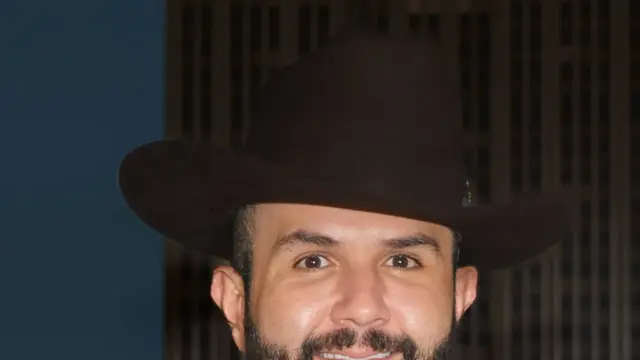
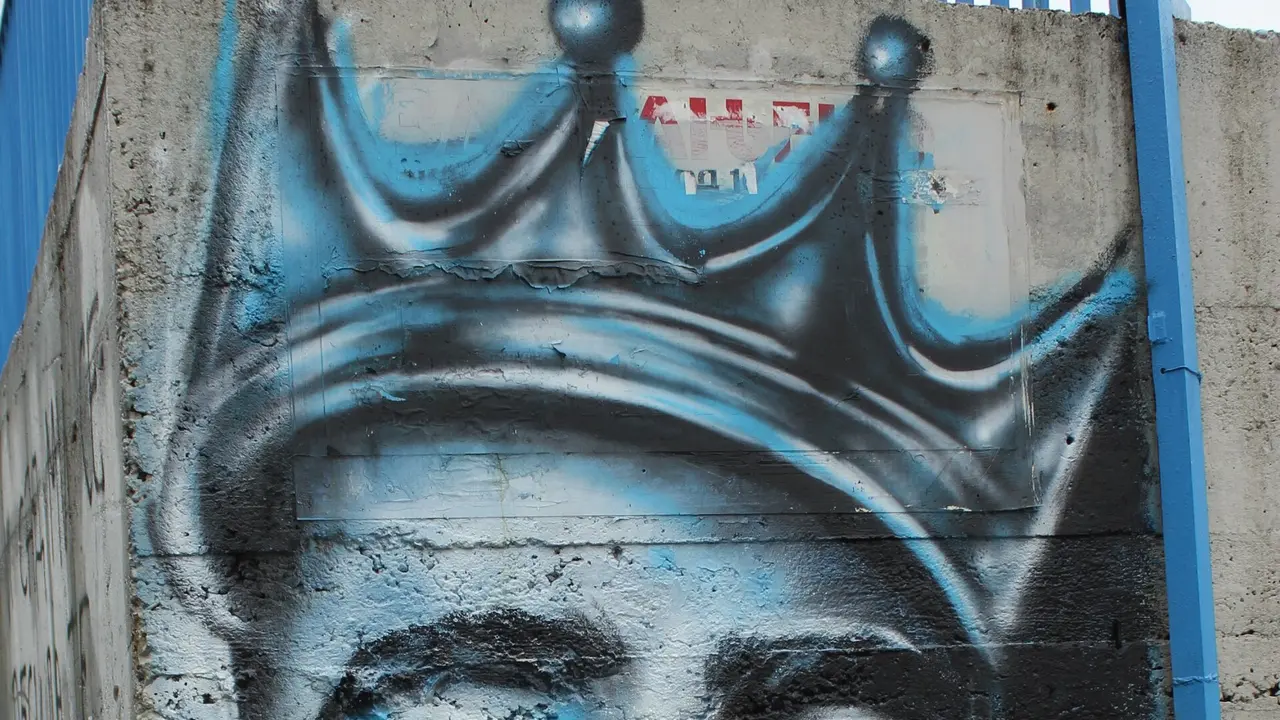
Thirty years after the night that changed rap history, a Las Vegas jury has finally delivered a verdict. Duane Keffe D Davis, a former South Side Compton Crips leader, was found guilty of first-degree murder for orchestrating the 1996 killing of Tupac Shakur. According to the Associated Press, jurors deliberated for less than three hours after a weeks-long trial. Davis, 63, was not accused of firing the shots himself, but prosecutors argued that he obtained the gun and organized the ambush from a white Cadillac. He now faces life in prison.
This verdict is not only a judicial decision. It is a cultural shock. Tupac’s death never belonged only to the crime pages. It passed through music, fashion, cinema, American racial politics, label mythology, fan theories and the economy of memory. For three decades, the absence of a conviction left an open, almost unreal zone at the center of the hip-hop story. Justice has arrived late, but it forces us to look differently at what that absence produced.
A Case Turned Symbol
Tupac Shakur was 25 when he was shot in Las Vegas on September 7, 1996, after a Mike Tyson fight. He died six days later. The story is familiar, repeated and reinterpreted: the BMW driven by Marion Suge Knight, shots from a nearby vehicle, the background of gang and label rivalries, then judicial silence. Davis’s conviction marks the first true criminal resolution of a case that became one of popular culture’s most famous cold cases.
Prosecutors presented the shooting as a retaliatory attack after an altercation at the MGM Grand involving Davis’s nephew Orlando Anderson and Shakur’s entourage. They also used Davis’s own public statements, including interviews, recordings with investigators and his 2019 book. The defense responded that these accounts had been exaggerated or fabricated to make money and protect an image. The jury chose to believe that those words outlined criminal responsibility.
When Words Become Evidence
The most striking point of the trial may be this: a decisive part of the case rested on how Davis told the story over the years. In a culture where personal narrative can become brand, currency and power, speech sometimes returns to the courtroom. What had been presented as memory, bravado or media strategy was reread as admission. The trial recalls a hard truth: in cases where myth covers facts, words can become archives.
This dimension goes beyond Davis alone. Hip-hop has often transformed lived experience into public narrative with an intensity few other art forms embrace so fully. But when the line between testimony, performance, promotion and judicial truth blurs, the cultural industry also has to question its mechanisms. Who benefits from these stories? Who sells them? Who consumes them? And what happens when a supposed confession becomes both media content and evidence?
Delayed Justice and Memory
For the Shakur family and for fans, the decision obviously does not repair thirty years of absence. The Associated Press described an emotional scene in the courtroom, with Tupac’s sister, Sekyiwa Shakur, crying after the verdict was read. That emotion says something simple: even when an icon becomes universal, grief remains familial, intimate and physical. The world can turn Tupac into a symbol; his loved ones lost a brother, a son, a human being.
Delayed justice has a paradoxical force. It gives an answer, but it underlines everything that went unanswered for decades. It closes a proceeding, but it does not close the conversation. Why did the case take so long? Why did public admissions precede arrest by years? Why did the deaths of some participants make the file so difficult? These questions will continue to accompany the verdict.
Rap Faces Its History
Culturally, Tupac remains one of the most powerful figures in global rap because he escapes simple categories. He was an artist, actor, poet, provocateur, activist and living contradiction. His death froze that complexity into a tragic image, often simplified by the industry: the martyr, the rebel, the lost genius, the face of a violent era. The verdict may help shift that reading slightly. It reminds us that behind the myth there was concrete violence, human decisions, responsibilities and destroyed lives.
It also invites us to reread the 1990s differently. The East-West rivalry was long told as an almost novelistic saga, with labels, heroes, diss tracks and media confrontations. But the real history was less glamorous: guns, retaliation, fear, the economy of provocation and young artists exposed to enormous pressure. Rap survived, grew and came to dominate global culture. Yet that dominance was built with ghosts the industry sometimes prefers to turn into aesthetics.
A Verdict, Not an Ending
Davis is due to be sentenced in October, and his defense has already indicated an appeal. The judicial file is therefore not completely finished. But symbolically, a major step has been crossed. Tupac’s name no longer floats only in the space of hypotheses. A court has assigned criminal responsibility. That will not make the past simpler, but it pulls it a little further out of the fog.
For B-EMPIRE, this verdict tells a story about the collision between culture, justice and memory. It shows how a body of work can become eternal while a criminal case remains suspended. It also shows that the most powerful myths need to be reread with rigor, not to weaken them, but to return artists to their humanity. Tupac was not only a legend to quote. He was a man killed at 25. Thirty years later, the courtroom has reminded the world of that first truth.
Sources
- Associated Press – Jury convicts a man of first-degree murder for the 1996 killing of rap icon Tupac Shakur
- Associated Press – Live updates on Duane Keffe D Davis verdict
- Pitchfork – Man Found Guilty in Murder of Tupac Shakur
- CBS News – Jury reaches verdict in Tupac Shakur murder trial
- UPI – Jury convicts Keffe D Davis in Tupac Shakur murder