
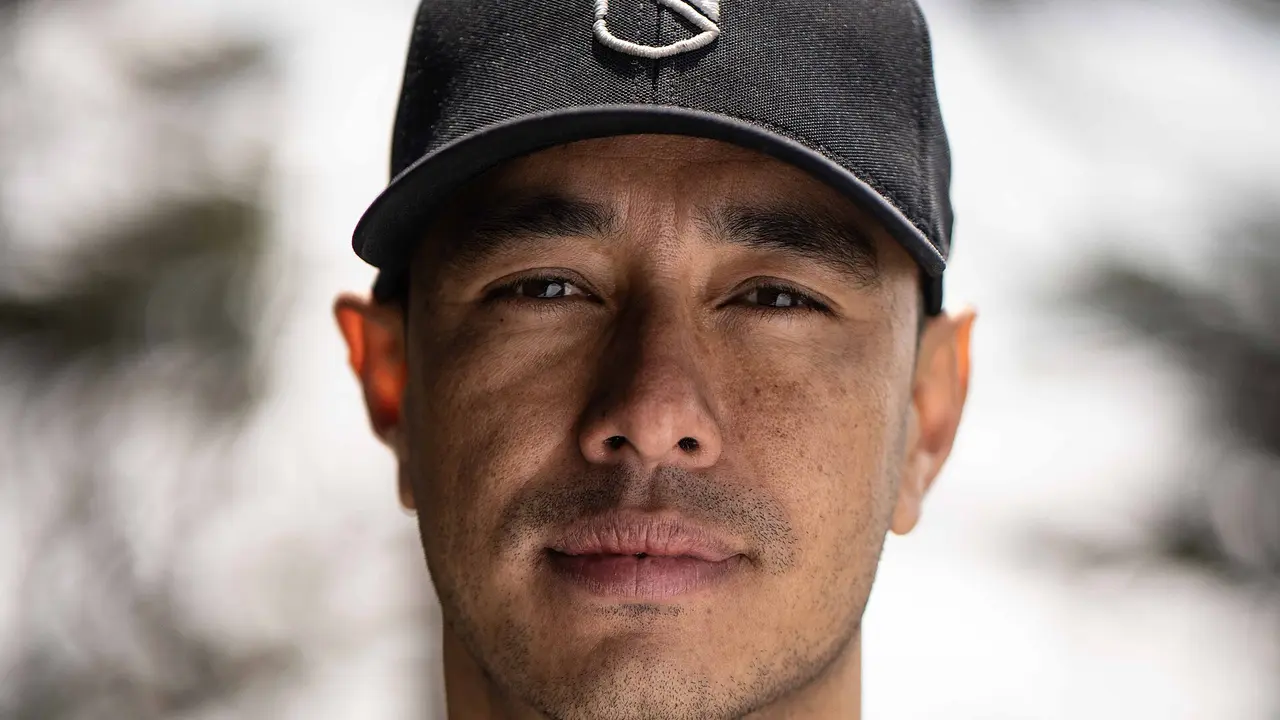
The mountains have claimed ten lives and one of the most recognizable figures in modern climbing. British-Nepali mountaineer Nirmal ‘Nimsdai’ Purja has died alongside nine other climbers after an avalanche on Broad Peak in Pakistan. Elite Exped, the expedition company he founded, confirmed the deaths on Saturday, August 1, ending the last hopes sustained through two days of extremely difficult search operations.
The disaster happened Thursday on the 8,047-meter Broad Peak in the Karakoram, close to K2. The ten-person group was swept away while moving on the mountain. Rescuers supported by military helicopters tried to locate and recover the victims despite snow, severe weather and the danger of further avalanches. Beyond Purja’s worldwide fame, the tragedy has devastated families and an international community connected by a shared passion.
Ten climbers swept away in the Karakoram
According to the Associated Press, the expedition lost contact with base camp after the avalanche struck. A complex rescue operation followed in terrain where altitude, weather and instability make every movement hazardous. Bodies were initially located with aerial support and drones before Elite Exped confirmed that all ten members of the group had died.
The victims came from several countries. That diversity reflects the deeply international nature of expeditions in the Himalayas and Karakoram: Nepali guides, Pakistani climbers, foreign clients, logistics teams and rescuers share the same mountain and the same risks. Irfan Arshad Khan, president of the Alpine Club of Pakistan, described the deaths as an immeasurable loss to the global mountaineering fraternity.
Recovering the bodies remains dangerous. El País reported that several victims were located in a highly exposed area at around 6,600 meters, where further snow movement could threaten rescuers. The immediate priority is to protect the search teams while allowing the victims to be returned to their families if conditions permit.
Nirmal Purja changed the image of high-altitude climbing
A former member of the British armed forces, Purja became one of the best-known faces of contemporary mountaineering. His Project Possible challenge pushed him into another dimension. In 2019, he climbed all fourteen mountains above 8,000 meters in six months and six days, radically changing public perceptions of what could be achieved at extreme altitude.
The journey later became the Netflix documentary 14 Peaks: Nothing Is Impossible, introducing his story to an audience far beyond traditional climbing circles. Purja also used his profile to highlight the central contribution of Nepali mountaineers and local high-altitude teams, whose work had often been pushed into the background of Western expedition narratives.
His career also generated debate about speed, media attention and the business model of commercial expeditions. Those debates are part of the complete history of modern climbing. At this moment, however, they must not obscure the confirmed facts or erase the nine other people who died beside him. A collective disaster demands a collective memory.
Why Broad Peak remains so dangerous
Broad Peak is the world’s twelfth-highest mountain. Its name may suggest an approachable shape, but its altitude places climbers in the so-called death zone near the summit. Above 8,000 meters, the lack of oxygen rapidly weakens the body, impairs judgment and sharply reduces rescue options. Lower down, crevasses, seracs, avalanches and sudden weather changes can turn a carefully planned ascent into an emergency.
The Karakoram contains several of the most difficult mountains on Earth. K2, Broad Peak’s neighbor, is famous for its technical difficulty and danger. Expeditions depend on narrow weather windows. When an avalanche hits a group at high altitude, helicopters cannot always reach the location directly, while ground rescuers may have to expose themselves for many hours.
This is why experience can never eliminate risk. It helps teams read the terrain, organize rope groups and make stronger decisions, but it cannot remove the natural uncertainty of an active mountain, particularly when a mass of snow breaks away above a route without warning.
Climate questions require evidence and caution
It would be premature to attribute this specific avalanche to climate change without a detailed scientific investigation. Avalanches result from local factors including snowfall, wind, temperature, slope angle and the structure of the snowpack. Yet warming is already transforming high-mountain environments by changing glaciers, permafrost and the stability of some rock faces.
Expedition organizers must continually update routes and schedules as a result. Historical observations may no longer be sufficient to predict the condition of a passage. Guides increasingly combine experience with detailed weather information, satellite imagery and daily snowpack assessments. The goal cannot be zero risk, which is impossible at extreme altitude, but the greatest possible reduction of avoidable exposure.
A global industry faces a safety reckoning
Prestige ascents have become an international industry. Operators sell permits, logistics, oxygen, guides and a chance to reach summits once reserved for rare national expeditions. This growth creates jobs in Nepal and Pakistan, but it also places more people in areas where rescue capabilities remain severely limited.
Questions after the Broad Peak tragedy will inevitably concern the weather, route choice, coordination between expeditions and rescue resources. They must be examined through established evidence rather than instant judgment. Tracker data, accounts from teams on the mountain and rescue observations may eventually clarify the exact sequence.
High-altitude safety also depends on recognizing local guides, porters and rescuers. They open routes, carry equipment and intervene when conditions deteriorate. The global story must do more than celebrate individual records. It must make visible the people who enable those achievements and who sometimes pay the highest price.
A legacy larger than records
Purja’s death shocks the world because it seems to contradict the image of a man capable of pushing every limit. The mountain, however, recognizes neither fame nor records. It is a brutal reminder that even the greatest specialists remain vulnerable to an avalanche and that every summit depends on decisions, teamwork and circumstance.
His legacy will remain tied to his records, his documentary and the increased visibility he brought to Nepali climbers. The lives of the nine other victims must also be remembered with dignity. Each had a story, loved ones and a reason to be on the mountain. Grief cannot be measured in followers or headlines.
At Broad Peak, recovery operations remain dependent on conditions. Around the world, tributes are already spreading. The painful signal is impossible to ignore: even in an age of drones, satellite communications and accelerated records, extreme altitude retains a power technology cannot master. Ten people have demonstrated that truth at the cost of their lives.
Sources
- Associated Press, confirmation of all ten deaths and recovery operations, August 1, 2026.
- Associated Press, initial search operations following the avalanche, July 31, 2026.
- El País, victim locations and recovery challenges, August 1, 2026.
- Nimsdai official website, career and achievements.
- NASA Earth Observatory, geographic context on the eight-thousanders.