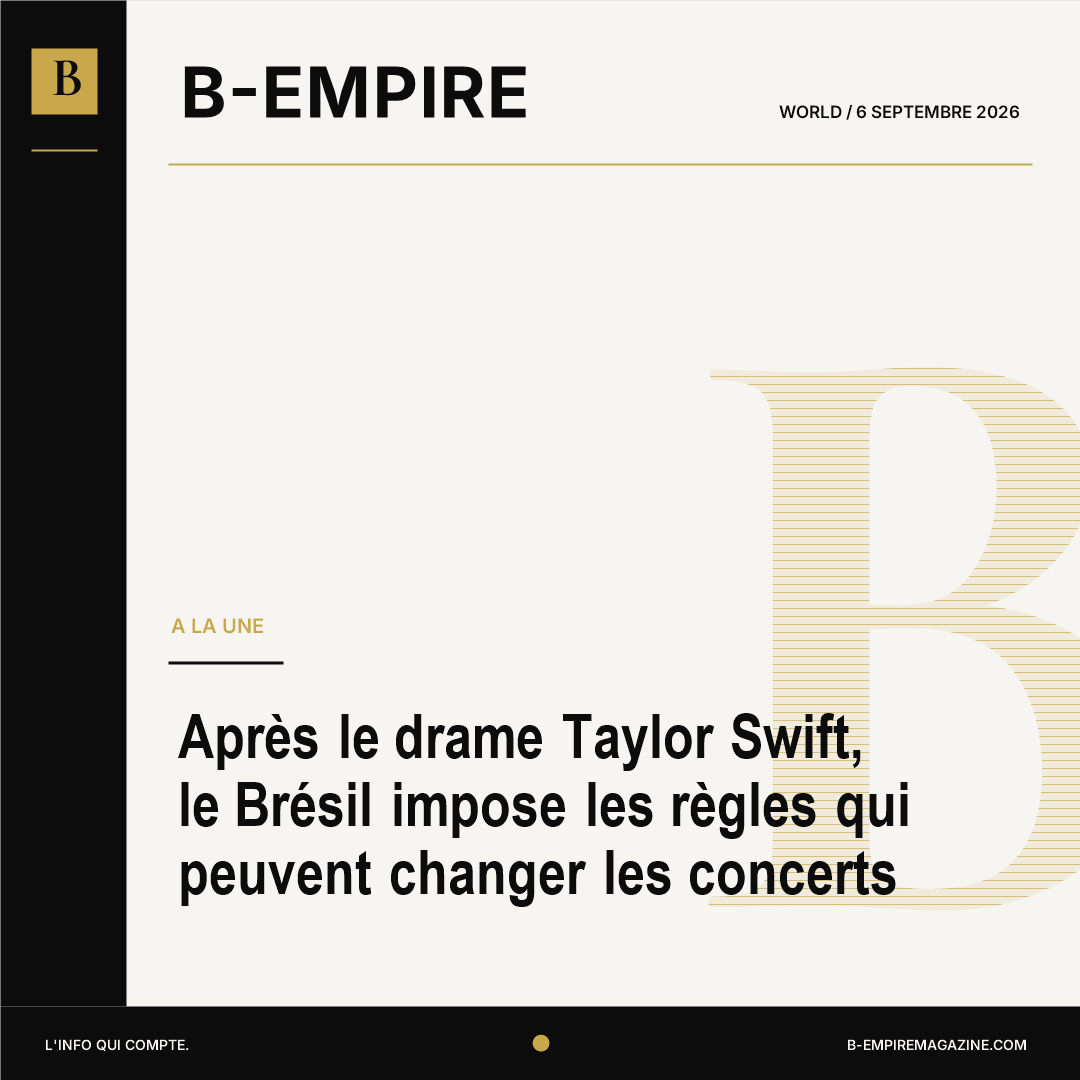
Brazil has sent a warning to the global live-entertainment industry. On August 31, 2026, President Luiz Inácio Lula da Silva signed two decrees addressing frustrations familiar to concertgoers everywhere: tickets captured by bots, unclear fees, inflated resale prices and inadequate access to water at crowded venues. The reform also carries the memory of Ana Clara Benevides, who died at age 23 after becoming unwell during a Taylor Swift concert in Rio de Janeiro in November 2023.
The measures are not officially named after the American star. Yet the Brazilian leg of the Eras Tour and sustained pressure from fan communities clearly accelerated the debate. Brazil is now turning a tragedy and years of anger at ticketing systems into enforceable standards. For fans, promoters and global touring companies, the message is clear: a concert experience cannot begin with an opaque digital queue or place public health behind commercial convenience.
Tickets designed for fans, not bots
Decree No. 13,108 regulates physical and digital ticket sales for events in Brazil. It explicitly targets automated bulk purchasing and speculative resale. Official sellers must strengthen tools against bots, impose purchase limits when demand requires them and present sales conditions in language consumers can understand.
Transparency is a central principle. Before paying, buyers should be able to identify the original ticket price, additional charges, refund rules and entry conditions. Official platforms must also allow ticket ownership to be transferred at no extra cost when the original buyer can no longer attend.
The decree separates concerts and cultural events from sporting competitions, which are covered by other Brazilian legislation. It cannot make the black market disappear overnight, but it requires official operators to show that digital queues and consumer information are genuinely protected. In a market where a few seconds can determine who gets a seat, that technical responsibility is significant.
Free water becomes a safety requirement
A second measure requires free access to drinking water at events with more than 1,000 attendees. The arrangements must reflect crowd size, weather conditions and the duration of the gathering. It builds on emergency rules introduced after Ana Clara Benevides died during extreme heat in Rio.
The November 2023 Eras Tour show crystallized a basic question: how could people who had sometimes paid heavily for admission face severe heat without sufficiently safe and obvious access to water? The outrage traveled far beyond Brazil. It demonstrated that entry policies, restrictions on containers and prices inside venues can become matters of life and death.
The new framework therefore treats water as part of prevention, not merely as a concession product. Promoters must integrate hydration into venue design, crowd management and public communications. Concertgoers gain a clearer benchmark for what a large event owes the people inside it.
Why this goes far beyond Taylor Swift
Tours by Taylor Swift, Beyoncé, BTS, Bad Bunny and Harry Styles show the enormous economic power of global fandoms. They also expose a market vulnerable to extraordinary spikes in demand. When millions of devices converge on a presale, a ticket stops behaving like a simple cultural product. It becomes a scarce asset attractive to automated software and speculation.
Brazil is trying to intervene at both ends of the journey. Before the show, it seeks a fairer and more understandable purchase. During the show, it establishes a minimum health safeguard. The approach matters because it connects consumer protection with physical safety rather than treating them as unrelated issues.
It also recognizes a cultural shift: fan communities are no longer passive audiences. They document failures, organize demands and apply public pressure to politicians and producers. Representatives of fandoms associated with Taylor Swift, BTS and other global artists attended the signing ceremony in Brasília. Their presence shows that pop culture communities can now participate directly in shaping public standards.
A laboratory for the global live industry
These disputes are not unique to Brazil. In the United States and Europe, the power of major platforms, service fees, virtual queues and dynamic resale repeatedly trigger controversy. French fans also know the frustration of overloaded presales for stadium tours and major festivals. Brazil’s solution will therefore be watched well beyond Latin America.
Enforcement will determine whether it works. Authorities will have to decide how anti-bot systems are audited, how failing sellers are penalized and how resale intermediaries are monitored. Organizers must demonstrate that free water points are visible, accessible and adequate for the crowd. A right written into a decree matters only when it changes the real experience inside a venue.
Ticketing businesses may also turn compliance into a competitive advantage. A platform that can promise a fairer queue, display the total price upfront and support free transfers earns trust that has become scarce. In the attention economy, that confidence can be as valuable as the artist roster itself.
The signal promoters can no longer ignore
Live entertainment has expanded through stadium tours, festivals and the desire for shared experiences. Yet the more expensive and scarce tickets become, the more audiences expect in return: clarity, fairness and safety. Brazil’s new rules turn those expectations into legal duties.
The symbolism is powerful. A night intended to celebrate music left a lasting wound; three years later, that wound has helped produce a reform other countries may study. Its real legacy will not be measured by how often Taylor Swift is mentioned. It will be measured by how many fans can buy a ticket without being trapped by unfair systems and attend a show without choosing between hydration and their place in the crowd.
Sources
- Brazilian Ministry of Culture, August 31, 2026.
- Brazilian Ministry of Justice and Public Security, August 31, 2026.
- Presidency of Brazil, Decree No. 13,108, August 31, 2026.
- CNN Brasil, August 31, 2026.
- Folha de S.Paulo, August 31, 2026.